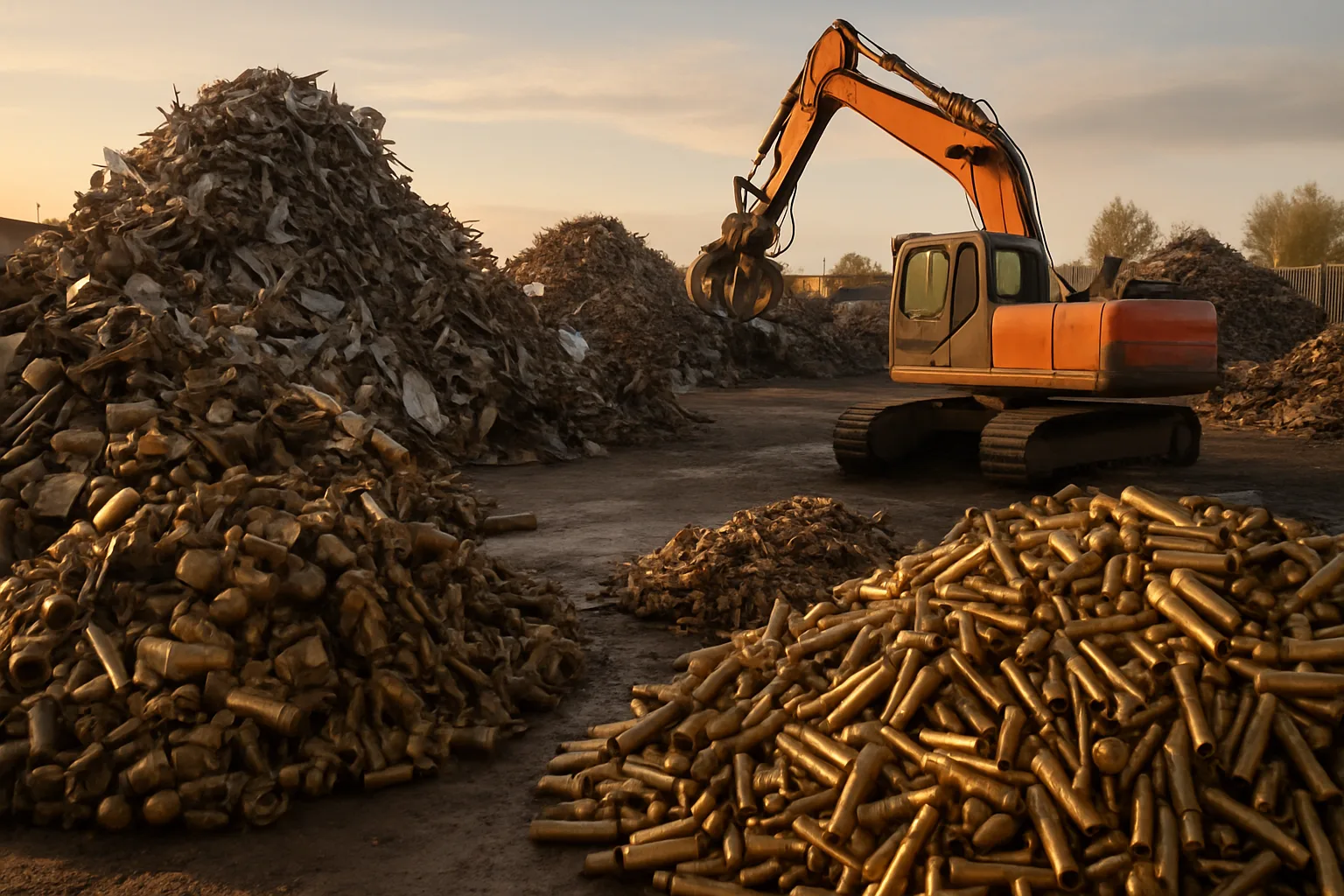
Most sellers walk past brass and bronze every day without knowing what it's worth. These aren't exotic metals — they're hiding in plumbing fixtures, electrical components, old valves, bearings, and machine parts. And in Seattle's active industrial and marine sectors, there's more of it around than most people realize.
If you want to get serious about scrap metal prices Seattle sellers are actually seeing at the yard, brass and bronze deserve your attention. Both metals carry strong value compared to steel or aluminum, and knowing the difference between them — and where to source them — can meaningfully change what you bring home.
This guide breaks it all down: what brass and bronze actually are, where to find them, how yards price them, and how to make sure you're not leaving money on the table when you sell.
Brass vs. Bronze: What's the Difference and Why Does It Matter for Pricing?
These two metals get confused constantly, and that confusion costs sellers money. Brass is an alloy of copper and zinc. Bronze is an alloy of copper and tin — sometimes with small amounts of other metals mixed in. Both are copper-based, which is why they carry higher value than ferrous metals. But they're not the same, and yards price them differently.
Brass tends to be more common and slightly easier to identify. It has a bright yellow-gold color when clean. You'll find it in plumbing fittings, valves, locks, musical instruments, and electrical connectors. Bronze is darker, with a reddish-brown or olive tone. It shows up more in marine hardware, industrial bearings, bushings, pump impellers, and historical castings.
- Yellow brass — the most common grade, found in plumbing and fixtures
- Red brass — higher copper content, sometimes called "semi-red," found in pipe fittings
- Bronze — industrial and marine applications, priced separately from brass
- Brass radiators — auto and HVAC radiators, often priced as a distinct category
- Brass turnings/borings — machined scrap, typically lower per-pound rate than clean brass
Why does this matter? Because misidentifying your material means you either get underpaid or the yard sorts it for you at a lower rate. Knowing what you have before you walk in puts you in a stronger position.
Where to Find Brass and Bronze Scrap in Seattle and Washington
Seattle's mix of old industrial infrastructure, marine industry, construction activity, and dense residential housing creates real opportunity for brass and bronze sourcing. You just need to know where to look.
Residential and renovation sources are often the most accessible. Older homes — especially those built before the 1970s — frequently have brass plumbing fittings, valves, and fixtures throughout. Kitchen and bathroom renovations regularly produce yellow brass fittings, shut-off valves, and copper-brass pipe connections. If you're doing demo work or know contractors who are, this is low-hanging fruit.
Industrial and marine sources are where the bigger volumes come in. Washington's Puget Sound maritime industry generates bronze consistently — propeller shafts, bushings, marine valves, and pump components. Shipyards, machine shops, and fabrication facilities often accumulate brass and bronze turnings. Establish relationships with operators in these sectors and you'll have a recurring source.
Other reliable sourcing areas include:
- HVAC contractors replacing old radiators and components
- Electrical contractors — brass bus bars, connectors, and terminals
- Plumbing wholesalers with damaged or returned inventory
- Manufacturing facilities running brass or bronze on CNC or lathe equipment
- Auto salvage yards — brass radiators from older vehicles
- Antique dealers or estate sales clearing old hardware and decorative items
The more consistent your sourcing, the more leverage you have when it's time to sell. Yards and buyers respond differently to someone bringing in a full pallet of clean yellow brass versus a mixed bag of unknown alloys.
What Brass and Bronze Are Worth: Understanding Scrap Metal Prices Today
Brass and bronze track copper closely because copper is the dominant component in both alloys. When the copper scrap price today moves, brass and bronze prices follow — with a discount applied based on alloy content and grade.
Here's a general framework for understanding relative value, from highest to lowest per pound:
- Clean red brass — highest copper content, commands the best price
- Yellow brass (clean) — solid value, widely accepted, most common
- Bronze — strong value, especially for clean industrial grades
- Brass radiators — priced lower due to steel/iron components attached
- Brass turnings/borings — lowest tier, discounted for oil contamination and mixed content
Actual prices change daily based on global copper markets, LME benchmarks, and regional supply-demand dynamics. What a Seattle yard pays in June 2026 will differ from what it paid six months ago. That's why it pays to check current scrap metal prices before you haul your material in — not after.
One thing that consistently affects your per-pound rate is material condition. Dirty brass — brass with attached iron, plastic, rubber, or significant oxidation — gets discounted. Clean, sorted, separated material commands the best rate. Take the time to strip, sort, and separate before you sell. That extra hour of prep can show up meaningfully on your payout ticket.
Disclaimer: Scrap metal prices fluctuate based on market conditions. Always verify current rates with your local yard or platform before selling.
Why Single-Buyer Selling Leaves Money on the Table
Here's a problem most scrap sellers in Seattle run into without realizing it: they call one buyer, get one price, and assume that's the market. It isn't. It's one buyer's offer on that day, shaped by their own inventory needs, margins, and overhead.
The difference between what Yard A offers and what Yard B offers on the same load of yellow brass can be real. Multiply that gap across a full load or several loads per month, and it adds up fast. The old way — one phone call, one price, no context — is just guessing. You're hoping you called the right person on a good day.
This is exactly the problem a scrap metal auction platform like SMASH is built to solve. Instead of one buyer setting your price, multiple vetted buyers compete for your material. Competition drives price discovery. You see what the market will actually pay, not what one operator decides to offer you. smashscrap.com connects sellers with vetted buyers across North America, with full documentation, auto-invoicing, and no subscription fees. You only pay when the deal closes.
For sellers moving consistent volumes of brass, bronze, or other non-ferrous — this kind of structure matters. It's not a shortcut. It's how you stop guessing and start selling with real data behind you. Find the best scrap metal prices today instead of settling for the first number someone throws at you.
How to Prepare Your Brass and Bronze for Maximum Payout
Preparation is one of the most controllable factors in what you get paid. Yards don't just assess weight — they assess grade, cleanliness, and how much sorting work they'll have to do. The less work they do, the more they pay you.
Follow these steps before you load out:
- Sort by grade — keep yellow brass, red brass, and bronze in separate containers. Never mix them.
- Remove attached materials — strip plastic fittings, rubber gaskets, iron nipples, and steel components.
- Clean off excess oil or grease — especially important for turnings and machined scrap.
- Document heavy or unusual pieces — for large bronze castings or unique alloys, photos and weight records help in negotiations.
- Know your total weight before you arrive — don't rely entirely on the yard scale if you're moving volume.
For sellers in the scrap metal recycling Washington space doing serious volume, photo documentation and serial tracking through a platform like SMASH gives buyers more confidence — which directly affects what they're willing to bid. Read scrap metal pricing guides to learn how documentation affects your payouts across different metal types.
If you're targeting Seattle scrap metal services, knowing how local yards grade and categorize brass and bronze specifically will save you time and improve your results. Not every yard in the region treats these metals the same way.
Brass and Bronze vs. Other Non-Ferrous Metals: How Do They Stack Up?
If you're weighing what to prioritize when sourcing and selling, it helps to understand where brass and bronze sit relative to other non-ferrous metals you're likely to encounter.
Copper sits at the top of the non-ferrous value ladder — clean #1 copper wire and tubing commands the highest rates. Brass and bronze come in below copper because of the zinc and tin content diluting the copper value, but they still outperform aluminum significantly. Aluminium scrap value is meaningful but typically runs at a fraction of copper-based metals per pound. Steel and iron sit at the bottom of the non-ferrous comparison — high volume but low per-pound return.
Here's a rough tier ranking for non-ferrous by per-pound value (relative, not absolute):
- 🥇 Clean copper (#1 and #2)
- 🥈 Red brass / high-copper bronze
- 🥉 Yellow brass / standard bronze
- Aluminum (cast, sheet, extrusion — varies by grade)
- Stainless steel
- Lead
This ranking shifts with market conditions, but the general hierarchy holds. Brass and bronze consistently earn more per pound than aluminum, making them worth prioritizing when you have a choice. For mixed loads with multiple metal types, sort them anyway — co-mingling drops the value of your best material to the rate of your worst.
Frequently Asked Questions
Q: What are current scrap metal prices in Seattle for brass and bronze?
Prices change daily based on copper market benchmarks and regional demand. Brass and bronze rates in Seattle vary by grade — clean yellow brass, red brass, and bronze are each priced separately. Always check with your local yard or use a platform that shows live buyer offers before you haul your material in.
Q: How do I tell brass from bronze when I'm sorting scrap?
Brass is typically bright yellow-gold in color. Bronze is darker — reddish-brown or olive-toned. Bronze is also harder and more commonly found in industrial or marine applications like bearings, bushings, and pump parts. When in doubt, a simple magnet test confirms neither is ferrous, but visual and application clues help separate them.
Q: Does it matter if my brass is dirty or has attachments?
Yes — significantly. Yards discount dirty or mixed brass compared to clean, sorted material. Remove iron fittings, rubber gaskets, plastic components, and excess grease before you bring your load in. The prep time is almost always worth the difference in per-pound rate.
Q: Is it worth selling small amounts of brass and bronze, or should I accumulate first?
For occasional sellers, accumulating a larger, cleaner load before selling usually makes more sense — it reduces per-trip handling and gives you more negotiating weight. For regular industrial sellers moving consistent volume, frequency and buyer relationships matter more. Either way, sorting and cleanliness determine your rate regardless of quantity.
Q: How does SMASH help sellers get better prices on brass and bronze in Washington?
SMASH connects sellers to multiple vetted buyers who compete for your material through an auction format. Instead of one yard setting your price, competition drives price discovery. Full documentation, photo records, and auto-invoicing are built into the platform — and there are no subscription fees. You pay only when the deal closes.
Brass and bronze are worth more than most sellers realize — and more than most single-buyer calls will reveal. If you're sourcing material in Seattle or anywhere across Washington, the difference between the first offer and the best offer is real. Take the time to sort, document, and expose your loads to actual competition. When you're ready to find the best scrap metal prices today, don't guess — use the tools and platforms built to show you what the market will actually pay. Check rates at best-scrap-metal-prices.com before your next haul.
Follow SMASH on LinkedIn for regular scrap metal market insights, pricing updates, and industry news across North America.