Why Small-Scale Scrap Collectors Leave Money on the Table (And How to Stop)
Most small-scale scrap collectors in Dallas are getting paid less than they should. Not because they're doing anything wrong — but because they're selling blind. One buyer, one price, no leverage. That's the old way, and it costs you every single time.
The good news? You don't need a full-service yard or a fleet of trucks to compete. A few smart habits, the right tools, and a better understanding of scrap metal prices Dallas can meaningfully change what lands in your pocket. This guide breaks it down — practical, ranked, and built for collectors who work with what they have.
1. Sort Before You Sell — Every Single Time
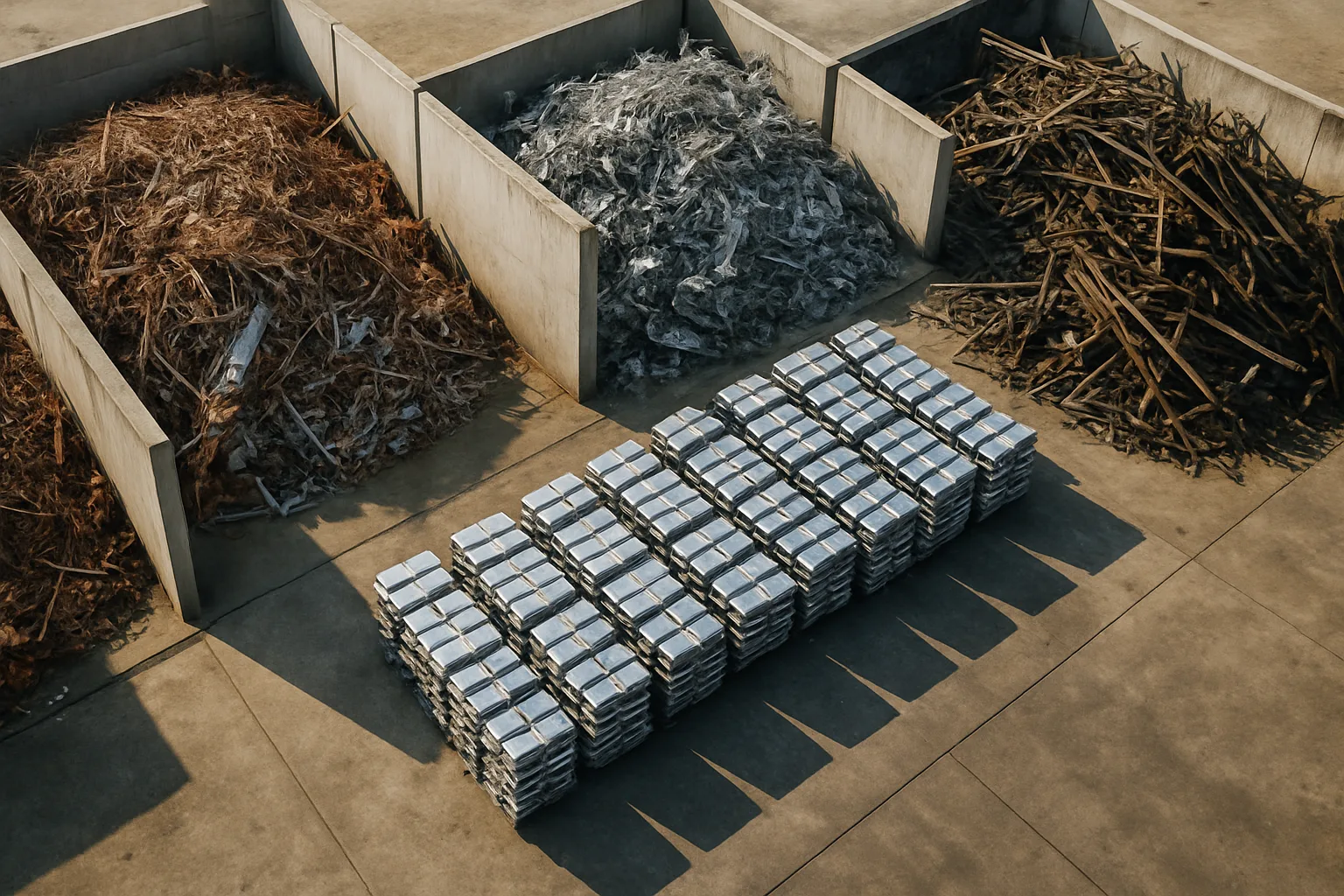
This is the single highest-impact habit you can build. Mixed loads get paid at the lowest-grade rate. That means if you haul in a bin of mixed copper, aluminum, and steel, the yard often prices the whole thing like it's contaminated scrap. Sorting takes time, but it pays better than almost anything else on this list.
Know your metal categories before you pull up to the scale:
- Copper: #1 bare bright, #2 copper, copper wire, romex — all priced differently. The copper scrap price today can vary significantly depending on grade.
- Aluminum: Cans, extrusion, cast, breakage, and sheet are separate grades with separate prices.
- Steel and iron: Light iron, heavy melt, and prepared steel each have their own rate.
- Stainless: Separate it. It's worth more and gets missed when mixed with regular steel.
Strip your wire before you go if copper prices are strong. Clean copper pays noticeably more than insulated copper. A wire stripper costs almost nothing and earns back its price on the first clean load. If you're not sure what grade something is, ask the yard — most operators will tell you straight.
2. Know What the Market Is Doing Before You Walk in the Door
You wouldn't sell a truck without checking what it's worth. Treat scrap the same way. Scrap metal prices today shift with global commodity markets — copper tracks the LME, aluminum responds to energy costs, and steel moves with manufacturing demand. Prices can swing week to week, sometimes day to day.
Before every trip to the yard, do a quick check. Use resources like find the best scrap metal prices today to get a current read on the market. Even a rough benchmark gives you negotiating ground to stand on. If copper is up and the yard is quoting you the same number as two weeks ago, you have a conversation to start.
In Texas, scrap metal recycling Texas-wide can show regional price variation. A yard on the industrial side of Dallas might pay differently than one in the suburbs. If you're moving real volume — even as an individual collector — it's worth calling two or three buyers before you commit to a load.
3. Document Your Load Before You Drop It
Here's something most small collectors never think about: documentation protects you. A quick photo of your load before it goes on the scale gives you a record. Weight tickets can be disputed. Grades can be reclassified after you drop the load. A photo taken on your phone costs nothing and gives you evidence if a transaction goes sideways.
This habit also helps you track your own performance over time. What metals did you bring in? What did they weigh? What did you get paid? That data tells you whether copper is worth your time, whether aluminum cans are worth the storage space, and whether a particular yard is consistently paying you fair.
If you ever graduate from sole collector to running small loads through a formal auction, documented inventory becomes non-negotiable. Platforms like North America's B2B scrap metal auction platform SMASH use photo documentation, serial tracking, and detailed inventory tools to bring vetted buyers to your material — and documentation is a core part of getting competitive bids. Start the habit now. It scales with you.
4. Build a Multi-Buyer Approach — Even at Small Scale
The biggest pricing mistake small collectors make is loyalty to one yard without leverage. Brand loyalty has its place. Consistent business doesn't. Know at least two or three buyers in your area and rotate quotes. This is especially true in a market like Dallas, where there are multiple yards across the metro that compete for material.
Here's a practical approach:
- Map your buyers: Know which yards are closest, which ones specialize in non-ferrous, and which ones move high volumes of ferrous. Different yards have different strengths.
- Call ahead: Some yards update their boards daily. A quick call before you load up tells you if it's worth the trip or worth waiting a few days.
- Quote against each other — professionally: "I have about 200 lbs of #1 copper and I got quoted X at another yard" is a legitimate conversation. Most buyers respect it.
- Track who paid what: Keep a simple spreadsheet. After six months, you'll know which yard consistently pays best for which material.
If your volume grows to the point where you're moving meaningful loads regularly, a scrap metal auction platform becomes a real option. SMASH operates on a competition-based model — vetted buyers bid against each other, and more buyers means better price discovery. No subscription fees. You only pay when you sell. That model starts making a lot of sense when you're moving loads worth real money.
5. Time Your Sales When Prices Support It
This one requires patience, but it's legitimate strategy. If you have dry, clean copper and prices are soft, you don't have to sell today. Storage has a cost, but so does selling at the bottom of a price cycle. Understanding the seasonal and cyclical patterns in scrap pricing helps you make smarter timing decisions.
Some general patterns worth knowing:
- Copper tends to respond to global manufacturing activity. Strong demand signals from Asia historically push prices up.
- Aluminum demand ties closely to automotive and construction. Seasonal build cycles in construction can influence pricing.
- Ferrous markets are sensitive to domestic steel mill demand. When mills are running hot, prices for heavy melt and light iron tend to firm up.
None of these are guarantees. Prices fluctuate and current rates should always be confirmed before you sell. For up-to-date pricing before every trip, check current scrap metal prices so you're selling with information, not guessing.
In the Texas market, construction season typically brings stronger aluminum and copper demand from contractors clearing job sites. If you're sourcing from construction or renovation channels, align your selling schedule accordingly. Dallas's continuous commercial development means material flows year-round — but the price you get for that material still depends on when you sell it.
6. Source Smarter, Not Just Harder
The easiest way to increase earnings isn't always squeezing more per pound out of your current material — sometimes it's upgrading your sources. Where you get your scrap is just as important as how you sell it.
For small-scale collectors in Dallas looking to level up their sourcing:
- HVAC and plumbing contractors: They generate copper and aluminum regularly. Offer to haul their scrap for free or for a split. Many don't want the hassle of making yard trips.
- Auto repair shops: Cores, rotors, and steel build up fast. A standing arrangement with a shop is steady, reliable material.
- Electricians: Wire and conduit. If they're stripping a commercial job, that material is worth picking up.
- Estate and property cleanouts: Appliances, wiring, and non-ferrous in older homes. Texas has a lot of older residential stock being turned over right now.
- Dumpster monitoring (legally): Know your local ordinances. In many Texas municipalities, dumpster diving for scrap is legal if the container is on public property or with owner permission.
Better sources mean better material. Better material means better grades. Better grades mean better prices per pound. The whole chain moves up when you start at a better source. You can read scrap metal pricing guides to understand which materials deliver the best returns for the effort involved.
And when you're ready to move beyond individual yard drops into more structured selling — where your documented loads go in front of multiple vetted buyers at once — that's where platforms like SMASH and their Dallas scrap metal services become a genuine upgrade over the single-buyer model.
Frequently Asked Questions
Q: What scrap metal is worth the most in Dallas right now?
Copper consistently commands the highest prices per pound among common scrap metals. Clean #1 bare bright copper and insulated copper wire are among the most valuable materials small collectors can source. Non-ferrous metals in general — aluminum, copper, stainless — pay significantly more per pound than ferrous metals like steel and iron. Always check current rates before selling, as prices fluctuate.
Q: How do I find the best scrap metal prices Dallas collectors can access?
Compare quotes from multiple yards before committing to a load. Use online resources to benchmark current market rates, then use that information when talking to buyers. Resources like best-scrap-metal-prices.com give you a market reference point. For larger loads, auction-based platforms let vetted buyers compete for your material — which is a stronger price discovery mechanism than a single yard quote.
Q: Does the copper scrap price today change daily?
Yes. Copper prices track global commodity markets and can shift daily based on LME movements, currency fluctuations, and supply and demand signals. Most scrap yards update their posted prices regularly — sometimes daily. Always confirm pricing on the day you plan to sell, not based on a quote from earlier in the week.
Q: Is scrap metal recycling in Texas regulated?
Yes. Texas has regulations governing scrap metal transactions, particularly around identification requirements for sellers and record-keeping for buyers. These rules are designed to reduce metal theft. Make sure you bring valid ID to the yard and understand local requirements in Dallas before your first transaction.
Q: When does it make sense to use a scrap metal auction platform instead of selling to a local yard?
When your load size and material quality justify it — typically when you're moving loads with meaningful value and want competitive bids rather than a single take-it-or-leave-it quote. Auction platforms bring multiple vetted buyers to your material, which creates competition and better price transparency. For very small loads, local yards are still the most practical option. As your volume grows, it's worth exploring platform-based selling.
You don't need to be running a full recycling operation to get paid better for your scrap. Sort your material, know your market, document your loads, and build relationships with more than one buyer. Those four habits alone will put more money in your pocket on every trip. When you're ready to take it further, the tools are there — start by checking rates at best-scrap-metal-prices.com before every sale, and make sure you're never selling blind again.
Stay sharp on market moves — follow SMASH on LinkedIn for scrap metal market insights and industry updates delivered straight to your feed.