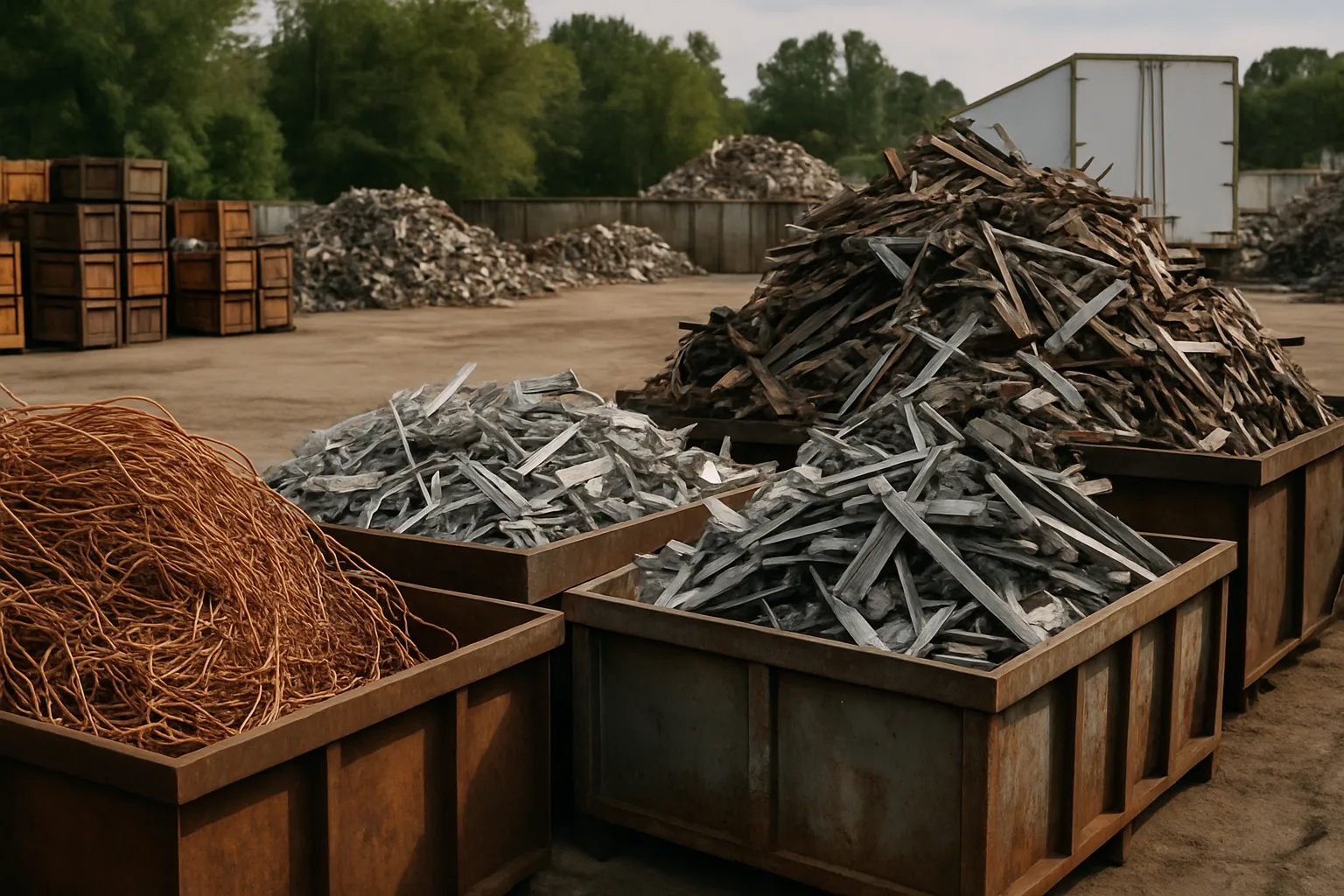
Most scrap yards talk about price. Few talk about what happens to the metal after it leaves the gate — and why it matters for your bottom line. In 2026, environmental compliance isn't just a regulatory checkbox. It's a market signal. Buyers at a scrap metal auction are increasingly scrutinizing the documentation behind a load, not just the tonnage.
If you're a yard operator or a seller in Atlanta trying to maximize what you get for steel, aluminum, or copper, understanding the regulatory landscape isn't optional anymore. It's competitive intelligence.
Why Environmental Regulations Are Reshaping the Scrap Metal Market in 2026
The scrap metal industry has always operated under environmental oversight — hazardous waste rules, stormwater permits, air quality standards. But the regulatory pressure hitting yards in Georgia and across the country has accelerated. The EPA's updated guidance on residue handling and contamination thresholds, combined with state-level enforcement from the Georgia Environmental Protection Division (EPD), means non-compliant material is getting flagged and rejected faster than ever.
That rejection isn't just an environmental problem. It's a pricing problem. Loads pulled back for contamination cost you in transport, storage, and lost sale windows. Clean, documented material sells faster and attracts more competitive bids. That's not a marketing pitch — it's how buyers actually make decisions when they're committing to a purchase on a platform like SMASH Scrap — where verified buyers bid on your metal.
Here's what's driving the shift in 2026:
- Stricter residue and shredder fluff standards — Regulators are pushing yards to account for what comes off a shredder, not just what goes in.
- Expanded reporting requirements — Some states now require electronic tracking of certain non-ferrous streams, including catalytic converters and copper wire.
- Downstream liability awareness — Smelters and mills are pushing contamination liability back to the origin yard. Your paperwork matters to them.
- Increased focus on per- and polyfluoroalkyl substances (PFAS) — Fire suppression materials and coated metals are under scrutiny across processing facilities.
How Clean Documentation Drives Better Steel Scrap Prices and Aluminum Scrap Value Today
Here's what most sellers don't connect: environmental documentation directly affects what buyers are willing to pay. When you're listing material — whether it's HMS, shredded steel, or mixed non-ferrous — buyers at auction need confidence that the load is what you say it is. Photo documentation, accurate grading, and a clear chain of custody reduce their risk. Lower risk means more aggressive bids.
When you sell scrap metal online through an auction format, every data point you attach to that load is working for you. A load of clean, documented aluminum with verified composition data attracts more interest than the same weight of aluminum with no paperwork. That difference shows up in the final bid — and it compounds across loads over time.
Consider what moves the needle on aluminum scrap value per pound in practice:
- Alloy identification (UBC, extrusions, cast vs. wrought) — clearly specified material commands tighter, higher bids
- Contamination disclosure — buyers price in risk; clean lots price in confidence
- Photo documentation — reduces post-sale disputes that drag down your seller reputation
- Weight and moisture declarations — honest numbers build trust with repeat buyers
SMASH's inventory and documentation tools are built specifically around this dynamic. You're not just listing weight — you're building a case for why your load deserves top-of-market interest.
Georgia's Regulatory Environment: What Atlanta Yards Need to Know
Georgia operates its own scrap metal dealer regulations under the Georgia Secondhand Dealers and Pawnbrokers Act, and the Georgia EPD enforces environmental compliance for processing facilities. If you're running a yard or selling loads in Atlanta, you're navigating both layers simultaneously.
The practical day-to-day impact for sellers includes:
- Record-keeping requirements for certain metals — Copper, aluminum, and catalytic converters all carry documentation obligations in Georgia. Keep your transaction records clean and current.
- Facility permitting tied to material types — If you're handling electronics, batteries, or fluids, your EPD permit scope matters. Processing outside permit limits creates downstream liability.
- Seller identification compliance — Georgia law requires identification and holding periods for specific regulated metals. This directly affects how fast you can turn a load.
- Stormwater and runoff management — Active enforcement in Georgia means facilities without current stormwater pollution prevention plans (SWPPPs) are exposed to fines that eat into margins fast.
For sellers using Atlanta scrap metal services, understanding these requirements before a load moves isn't just good practice — it's the difference between a clean transaction and a costly delay. Compliance protects your timeline, and your timeline protects your price.
Using a Scrap Metal Auction to Navigate Market Volatility While Staying Compliant
Steel scrap price today fluctuates with global demand, energy costs, and domestic mill activity. Aluminum scrap value today moves with LME benchmarks, automotive demand cycles, and supply chain dynamics that no single buyer has full visibility into. That's exactly why a competitive auction format changes the math for sellers.
When you rely on one buyer — one phone call, one quoted price — you're absorbing all the information asymmetry. That buyer knows the current mill price. You're guessing. A scrap metal auction with vetted buyers on both sides closes that gap. Multiple buyers competing for the same load means the market sets the price, not one person's margin target.
SMASH is built on this premise. No subscription fees. No guessing. When your load goes to auction with proper documentation attached, buyers bid based on what the load is actually worth — not what they can get it for. That's how competitive markets are supposed to work, and it's why documented, compliant material consistently performs better in an auction format.
Want to understand what your loads should be worth before you list them? Check current scrap metal prices as a baseline, then put your loads in front of buyers who compete for them.
The Environmental Case for Transparent Selling: Best Scrap Metal Prices Georgia and Beyond
There's a broader market shift happening that sellers in Georgia are starting to feel. Steel mills and aluminum smelters operating under tighter emissions standards are passing stricter quality requirements down the supply chain. They want clean feedstock. They're willing to pay for traceability. And they're cutting off supply relationships where documentation is weak or contamination rates are high.
This creates an opportunity for sellers who are willing to invest in proper grading and documentation. If your material is clean and you can prove it, you're not competing with every yard in Atlanta for the same buyer's attention. You're competing for the buyers who pay the best scrap metal prices in Georgia because they need quality material.
The path to best scrap metal prices Georgia runs through compliance and transparency — not around it. Here's what that looks like practically:
- Grade your material accurately before listing — don't let buyers downgrade you at settlement
- Document with photos and detailed descriptions — give buyers what they need to bid confidently
- Use serial tracking for regulated materials like catalytic converters — it protects you legally and builds buyer trust
- Keep current with Georgia EPD requirements so your facility is always sale-ready
- List through an auction format where competition, not negotiation, drives your final price
Sellers who read scrap metal pricing guides and stay current on market conditions consistently outperform those who rely on a single buyer relationship. Information is leverage. Use it.
What Compliance-Forward Selling Looks Like in Practice
Let's make this concrete. A mid-size Atlanta yard processing a mix of ferrous and non-ferrous material can run into three separate compliance touchpoints in a single week: a stormwater inspection from Georgia EPD, a record-keeping audit tied to copper purchases, and a downstream quality rejection from a smelter flagging moisture content on a steel load.
Each of those events has a cost. The stormwater inspection demands current SWPPP documentation. The copper audit requires complete transaction records. The steel rejection eats your transport cost and delays your cash cycle. None of these are extraordinary events in 2026 — they're the operational baseline.
Platforms like SMASH are designed to support this operational reality. Auto-invoicing, photo documentation built into the listing process, and a vetted buyer network that understands what compliant material looks like — these aren't nice-to-haves. They're tools that help you move faster and get paid accurately. When you find the best scrap metal prices today, you want a process behind the sale that holds up to scrutiny.
The scrap metal market in 2026 rewards sellers who treat compliance as an asset, not a cost. Your documentation is your pitch deck to every buyer in the room.
Frequently Asked Questions
Q: How do environmental regulations affect what I get paid at a scrap metal auction?
Environmental compliance directly impacts load quality and documentation — both of which affect how confidently buyers bid. Clean, well-documented material reduces buyer risk, which typically drives more competitive bids. Contaminated or poorly documented loads often attract lower offers or get passed on entirely.
Q: What environmental permits does a scrap metal yard in Atlanta need?
Georgia yards typically need a Georgia EPD permit appropriate to their processing activities, a current Stormwater Pollution Prevention Plan (SWPPP), and compliance with the Georgia Secondhand Dealers Act for regulated metals. Specific requirements depend on the size of the facility and the types of material processed. Consult the Georgia EPD directly for your facility classification.
Q: Does Georgia have specific rules for selling catalytic converters and copper scrap?
Yes. Georgia law requires seller identification, transaction records, and in some cases, holding periods for regulated metals including catalytic converters and copper. These rules exist to combat theft and are actively enforced. Proper documentation protects both the seller and the buyer in any auction or direct sale transaction.
Q: How does SMASH help sellers stay compliant when listing loads for auction?
SMASH's platform includes inventory tools, photo documentation, serial tracking for regulated materials, and auto-invoicing — all of which support the documentation trail that compliance and buyers both require. You're not managing compliance and sales separately; the platform is built so they work together.
Q: What's the best way to get competitive scrap metal prices in Georgia right now?
Start by grading and documenting your material accurately, then list through a platform that puts your load in front of multiple vetted buyers at once. Competition drives better price discovery than any single buyer negotiation. Resources like best-scrap-metal-prices.com give you market context before you list, so you go in with realistic benchmarks and confidence.
Environmental compliance and competitive pricing aren't opposing forces — they move in the same direction. The sellers capturing the best scrap metal prices in Atlanta right now are the ones treating documentation, grading, and regulatory compliance as part of their sales process, not a separate burden. Check rates at best-scrap-metal-prices.com and put your loads in front of buyers who compete for compliant, well-documented material.
Stay current on scrap metal market trends and industry updates — follow SMASH on LinkedIn for pricing insights and news from across the North American scrap market.
Disclaimer: Scrap metal prices fluctuate daily based on market conditions, regional demand, and material grade. Always verify current rates before making selling decisions.