Construction and demolition crews don't just tear things down — they generate thousands of pounds of recoverable metal on every job site. If you're not tracking that material, you're leaving real money on the table. Understanding scrap metal prices today and how to move that metal competitively can mean the difference between a minor line item and a meaningful revenue stream.
Whether you're a contractor, a recycling yard buying from job sites, or a demolition crew looking to maximize recovery, this guide breaks down exactly what comes off a C&D site, what it's worth, and how to sell it smarter in 2026.
What Construction and Demolition Sites Actually Generate
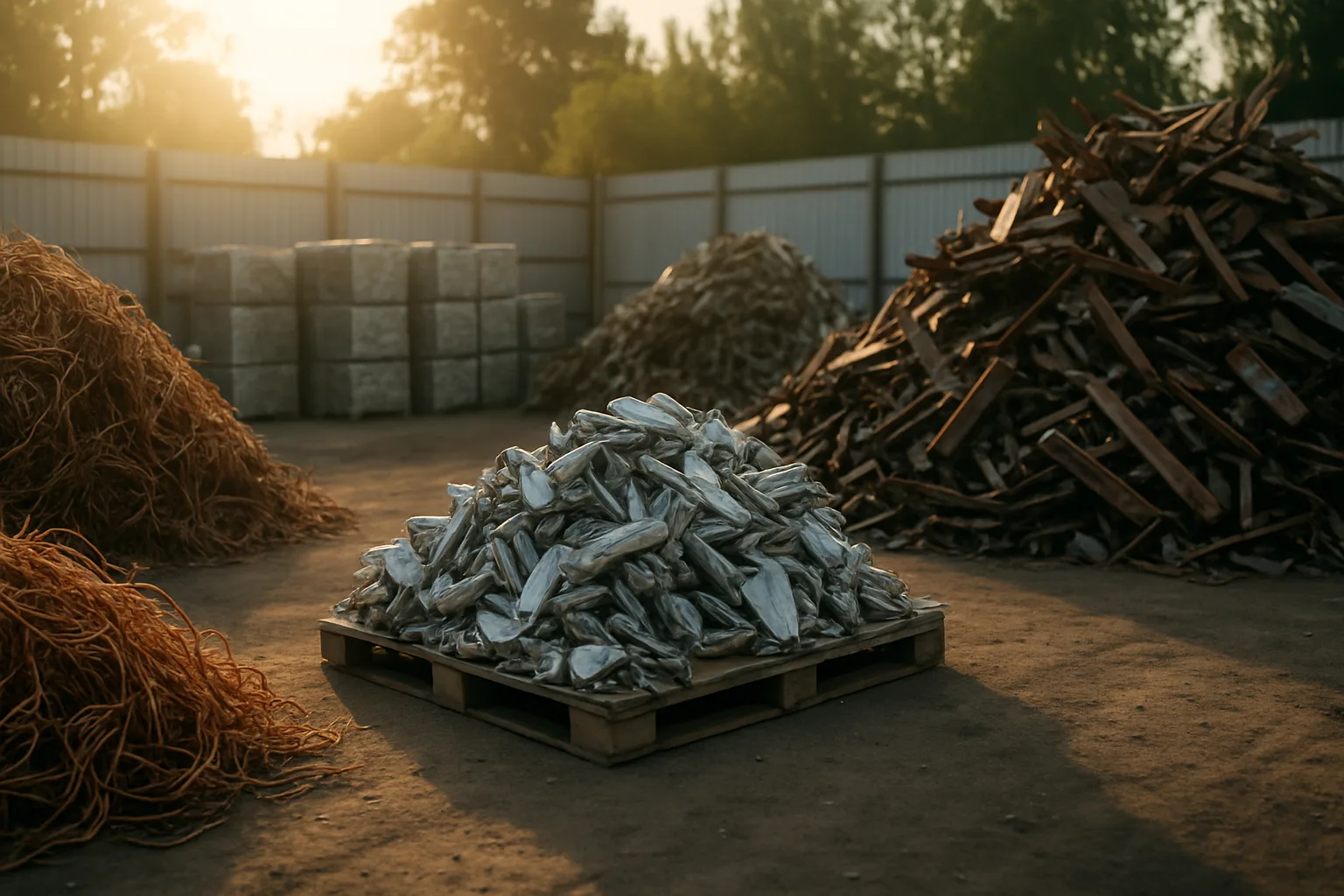
A commercial demo job in a city like Richmond can strip out tens of thousands of pounds of metal before the first wall hits the ground. The volume surprises people who haven't tracked it carefully. Here's what's typically recoverable from C&D work:
- Copper: Wiring, plumbing pipe, bus bars, HVAC coils. Copper is consistently among the highest-value metals on any site. A mid-size commercial building can yield hundreds of pounds of bare bright and insulated wire alone.
- Aluminum: Window frames, curtain walls, conduit, roofing trim, electrical panels. Aluminum prices have stayed active through 2026 as manufacturing demand holds strong.
- Steel and iron: Rebar, I-beams, structural plate, ductwork, pipes, reinforcing mesh. Steel moves in large volumes but at lower per-pound rates — weight is your friend here.
- Stainless steel: Commercial kitchens, hospital demolitions, and food-grade facilities often yield higher-grade stainless that commands a premium over standard steel.
- Brass: Valves, fittings, plumbing fixtures. Small by weight, significant by value per pound.
- Cast iron: Old radiators, pipe sections, and mechanical equipment from older buildings, especially common in mid-Atlantic renovation projects.
The mix varies sharply depending on the structure's age and original use. A 1960s office building in Virginia is going to look very different from a 2010s warehouse in terms of metal composition. Older builds tend to have more copper in the walls and cast iron in the mechanical rooms. Newer construction leans heavily on aluminum and steel. Knowing your building before you demo it helps you plan your separation and sorting strategy — which directly affects what you get paid.
Why Scrap Metal Prices Today Vary So Much for C&D Material
Not all scrap is equal, and not all buyers pay equally. Scrap metal prices today shift based on global commodity markets, local supply and demand, and — critically — the condition and preparation of your material. C&D scrap often comes in mixed, contaminated, or unprepared. That costs sellers money at the scale.
A load of clean #1 copper is worth significantly more per pound than the same copper bundled with insulation, plastic conduit, and debris. Buyers discount heavily for contamination because they absorb the sorting cost. The yards that pay best are the ones with confidence in what they're receiving. That confidence comes from documentation, clean separation, and working with platforms that let you describe and photograph your material before it sells.
Regulatory pressure on C&D waste in Virginia has also increased through 2025 and into 2026, with stricter documentation requirements for material diversion at job sites. More contractors are now keeping detailed records of what they strip out — both for compliance and for sale. That paper trail, when tied to a proper inventory process, actually strengthens your position when it's time to sell. Read scrap metal pricing guides to understand how preparation affects your net return on different metal grades.
How to Sort and Prepare C&D Scrap for Maximum Value
Sorting on-site is where most contractors leave money behind. It takes discipline and planning, but the return on invested time is real. Here's the practical approach that experienced demo crews and recycling yards recommend:
- Separate by metal type from the start. Mixing copper with aluminum, or steel with insulated wire, forces buyers to downgrade the entire load. Dedicated containers for each metal type pay off.
- Strip insulation where practical. Insulated copper wire is worth significantly less per pound than bare bright or #1 copper. Stripping on-site or at the yard before sale bumps your yield on high-volume wire pulls.
- Document what you have. Photos, weights where possible, and a basic description of the source material help buyers price accurately — and help you negotiate from a position of knowledge rather than guesswork.
- Keep non-ferrous and ferrous separate. Steel and iron move in bulk. Copper, aluminum, brass, and stainless are priced per pound at entirely different tiers. Mixing them loses value in both directions.
- Account for BOLs and packing lists on larger loads. For significant commercial demolition material moving to a yard or auction, proper paperwork protects you legally and speeds up the transaction.
Contractors working in Richmond and across Virginia who have moved to a more structured approach — sorted loads, documented material, competitive selling — consistently report better outcomes than those who call one buyer and take whatever offer comes in. The market has the data. Use it.
Selling C&D Scrap Through a Scrap Metal Auction Platform
Here's the old way: you strip a job, throw it in a bin, call your regular buyer, and take whatever they offer. No comparison. No competition. No visibility into whether that number is even close to fair. That model worked when you had no alternative. You have alternatives now.
A scrap metal auction platform like the SMASH scrap metal auction marketplace puts your material in front of vetted buyers who compete for your load. Instead of one buyer setting the price, multiple buyers bid. That's price discovery — and it's how commodity markets are supposed to work. SMASH supports photo documentation, inventory tools, serial tracking for higher-value material, and auto-invoicing once a deal closes. For C&D sellers moving larger or recurring loads, that structure matters.
For yards buying from demo crews in the Richmond area, SMASH provides access to a broader buyer pool than a single regional relationship. For contractors selling direct, it's a way to test the market without making fifteen phone calls. Find the best scrap metal prices today and then let competition work in your favor rather than against you.
No subscription fees means you're not paying to list loads that don't move. SMASH earns when sellers earn — that alignment matters in a market where a single decision on a large C&D load can mean hundreds or thousands of dollars in variance.
Local Scrap Metal Markets in Richmond and Virginia
Virginia's construction market has stayed active in 2026. Infrastructure investment, commercial development in the greater Richmond corridor, and ongoing renovation of older mid-Atlantic stock have kept C&D demo activity high. That means consistent supply — and competitive local markets for scrap buyers.
Richmond has multiple scrap yards operating in the region, but yard pricing varies and individual relationships often don't reflect real market rates. If you're searching for how to sell scrap metal near me in the Richmond area, the first step is knowing what your material is actually worth before you walk in the door. Richmond scrap metal services can help you benchmark local rates against the broader market so you're not flying blind.
Copper prices in Virginia markets have tracked closely with global LME movements in 2026, with local premiums and discounts varying by buyer and load preparation. Aluminum has seen steady demand tied to regional manufacturing. Steel and rebar prices remain sensitive to infrastructure project cycles. None of these numbers are static — which is exactly why real-time price discovery matters more than a standing relationship with a single buyer who has every incentive to keep your expectations low.
If you're a demo contractor or a yard operator in Virginia looking to move C&D scrap consistently and competitively, check what the platform can actually do for your operation. Check current scrap metal prices and compare what you've been offered against where the market actually sits.
Building a Repeatable Process for C&D Scrap Recovery
One-off loads are fine. But the real opportunity for contractors and yards is building a repeatable process that captures value on every job, not just when someone remembers to make the call. That means standardizing your separation protocol, your documentation habits, and your selling process.
Think about it operationally: if every foreman on every demo job knows the separation protocol, and every load gets photographed and weighed before it leaves the site, you've built the foundation for consistent, competitive selling. That data accumulates. You start to understand what different building types and ages yield. You build leverage with buyers because you show up with documented, clean material — not mystery loads.
SMASH's inventory and documentation tools are built for exactly this kind of workflow. Not a one-time seller figuring it out as they go, but an operation that treats scrap recovery as a real revenue line. If you're serious about scrap metal recycling as part of your construction or demolition business, that mindset shift pays dividends over time.
The market rewards preparation and competition. Everything else is just leaving money in the dumpster. If you want to read scrap metal pricing guides that help you build that process from the ground up, the resources are there. Use them.
Getting the best return on your C&D scrap in 2026 comes down to knowing what you have, preparing it properly, and selling it competitively. That's it. Start by checking where rates actually sit at best-scrap-metal-prices.com — then build from there.
Disclaimer: Scrap metal prices fluctuate based on commodity markets, local supply and demand, and material condition. Always verify current rates before selling.
Frequently Asked Questions
Q: What scrap metals are most valuable from a construction or demolition site?
Copper consistently delivers the highest value per pound — especially clean wire, plumbing pipe, and HVAC coils. Aluminum and brass also carry strong prices. Steel and iron move in the highest volumes but at lower per-pound rates. Sorting and separating by metal type before selling is the single biggest factor in maximizing your return.
Q: How do I find the best scrap metal prices today in Richmond, Virginia?
Start by benchmarking current rates online before you call any single buyer. Platforms like SMASH and pricing resources like best-scrap-metal-prices.com give you a market baseline. From there, Richmond scrap metal services can help you compare local rates. Never accept the first offer without knowing what the market looks like.
Q: Does the condition of my scrap metal affect what I get paid?
Yes — significantly. Clean, sorted, well-documented loads command better prices than mixed or contaminated material. Buyers discount heavily for loads they have to sort or process themselves. Stripping insulation from copper wire, separating ferrous from non-ferrous, and photographing your material before sale all improve your outcome.
Q: What is a scrap metal auction platform and how does it help C&D sellers?
A scrap metal auction platform like SMASH lets you list your material for vetted buyers to bid on competitively, rather than accepting a single buyer's offer. More buyers competing for your load means better price discovery. SMASH also supports documentation tools, auto-invoicing, and no subscription fees — you pay nothing until a deal closes.
Q: Are there any regulations in Virginia affecting how I sell C&D scrap in 2026?
Virginia has tightened documentation requirements for C&D waste diversion in recent years, and those standards carry into 2026. You'll generally need to track material weights, types, and destination yards for compliance purposes. That same documentation — when properly recorded — also strengthens your position when selling, giving buyers more confidence in your loads. Always verify current state and local requirements with a compliance professional.
Follow SMASH on LinkedIn for ongoing scrap metal market updates, pricing trends, and industry news delivered straight to your feed.