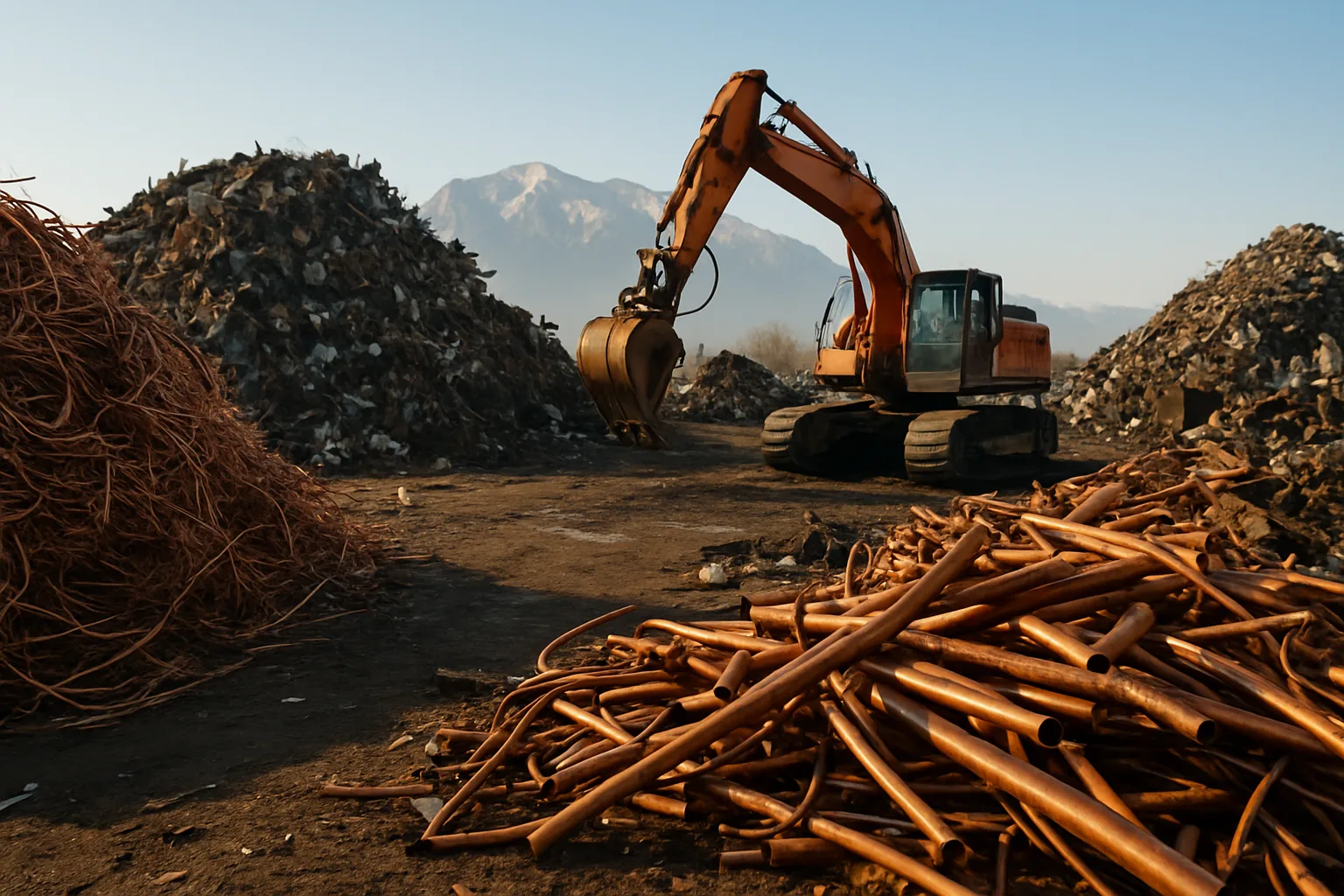
Construction Sites Are Sitting on a Metal Goldmine — Are You Cashing In?
Every time a building comes down or a new one goes up, metal walks out the door. The question is whether it ends up in the right hands — or gets left on the table. If you're hauling debris from a job site and not tracking the copper scrap price today, you're almost certainly leaving money behind. Construction and demolition (C&D) sites are among the most metal-dense environments in the recycling supply chain, and most contractors still treat that material like waste instead of inventory.
This isn't a niche opportunity. In 2026, urban redevelopment is accelerating across the U.S. — including Salt Lake City, where infrastructure upgrades and mixed-use development projects are generating significant volumes of recoverable metal. Knowing what you have, what it's worth, and where to sell it makes the difference between a side benefit and a real revenue stream.
What Metals Come Off Construction and Demolition Sites?
The material mix varies by project type, but C&D sites reliably generate several categories of recoverable metal. A commercial demolition is a different animal than a residential teardown, but both produce sellable scrap.
Here's what you'll commonly find:
- Copper: Electrical wiring, plumbing pipe, HVAC coils, and bus bars. Copper is consistently the highest-value non-ferrous metal on any scrap yard's board. Monitoring the copper scrap price today before you sort and sell is non-negotiable — the spread between bare bright, #1, and #2 copper can be significant.
- Aluminum: Window frames, curtain wall systems, conduit, roofing panels, and structural extrusions. Aluminum prices have stayed active in 2026, particularly for clean extrusion grades.
- Steel and Iron: Structural beams, rebar, pipe, and miscellaneous steel (HMS). Ferrous is lower value per pound but moves in bulk. A single commercial demo can generate tens of thousands of pounds.
- Stainless Steel: Commercial kitchen equipment, HVAC ducting, and mechanical room components. Stainless carries a significant premium over standard steel — don't mix it in with your HMS.
- Brass: Valves, fittings, and plumbing fixtures. Often overlooked but worth pulling separately.
- Lead: Older buildings may contain lead pipe, lead-lined walls, or lead flashing. Handle and document carefully — environmental compliance matters here.
The key discipline is separation. Mixed loads get dock price. Sorted, documented loads get market price. That gap is real, and it compounds across every load you move.
How the Copper Scrap Price Today Affects Your C&D Haul Value
Copper is the benchmark metal in any non-ferrous conversation. When copper moves, the whole board shifts — and in 2026, that market has been anything but quiet. Industrial demand, energy infrastructure buildout, and supply chain dynamics have kept copper prices volatile enough that checking rates before you sell is genuinely important. Selling on a Monday versus a Thursday can mean a different number per pound.
For C&D operators, copper shows up in several forms that each price differently:
- Bare bright copper (#1): Clean, uncoated, unalloyed wire or pipe. Top of the market.
- #1 copper: Clean pipe and solids with minimal oxidation or coating.
- #2 copper: Painted, corroded, or slightly contaminated pipe and wire. Takes a significant haircut from #1.
- Insulated wire: Priced on estimated copper content. Yield percentage drives the price, so accurate documentation matters.
- HVAC copper coils: Often classified separately — verify with your buyer.
The practical move is to check current scrap metal prices before you haul. Don't drive across town based on a number someone told you last week. Markets move, and you should move with them.
Demolition Documentation: Why Inventory Wins at the Scale Yard
Most contractors and yard operators think documentation is paperwork overhead. It's actually a negotiating tool. When you show up at a scrap yard near me with a sorted, photographed, and itemized load, you're not guessing — and neither is the buyer. That confidence flows directly into the offer.
Platforms like SMASH make it easy to get competitive bids for your scrap metal by letting you document loads with photos, weights, and material grades before you go to market. That's not bureaucracy — that's leverage. When buyers can see exactly what they're bidding on, competition drives the number up. When they're guessing, they bid defensively.
For large C&D loads, documentation also supports compliance. Bills of lading (BOLs), packing lists, and serial tracking for regulated materials like copper wire are increasingly expected — especially in jurisdictions tightening oversight of metal recycling transactions. Utah has seen increased attention to documentation requirements in recent years, and that trend is continuing in 2026. Getting ahead of it protects you and makes your loads more attractive to serious buyers.
The bottom line: a well-documented load from a Salt Lake City demo site is a more sellable load than an undocumented mixed pile from the same project. Same metal, different outcome.
Finding the Right Scrap Metal Recycling Outlet in Salt Lake City and Beyond
If you're running C&D projects in Utah, your options for moving metal are broader than they were five years ago. The old model — one buyer, one phone call, one price — still exists, but it's no longer the only option or the smart one. Salt Lake City has a solid base of established yards, but not every yard pays the same rate, accepts every material grade, or moves volume quickly.
When evaluating where to sell:
- Verify they buy your material type. Not every yard handles insulated wire or mixed non-ferrous from demo sites. Call ahead or check online before you haul.
- Compare posted rates vs. actual pay rates. The board price and what you walk out with aren't always the same number. Ask about deductions, contamination penalties, and payment timing.
- Ask about volume pricing. Large C&D loads should get better terms. If a yard isn't willing to negotiate on a multi-ton ferrous load, find one that will.
- Consider your total logistics cost. The highest posted price in Salt Lake City isn't the best deal if it's 45 minutes away and requires a second trip. Factor in your time and fuel.
For loads that justify a competitive process — and many C&D loads do — running them through an auction platform puts multiple vetted buyers in front of your material at once. That's how price discovery actually works. To find the best scrap metal prices today, you need to create competition, not accept the first number offered.
SMASH operates across North America and connects C&D operators and recyclers with vetted buyers who bid competitively on loads. No subscription fees — they only win when you do. If you're moving regular volume out of demo projects in Utah or anywhere else, that model is worth understanding.
Regulation Updates Affecting C&D Scrap Metal in 2026
The regulatory environment around construction and demolition scrap has tightened in 2026, particularly around copper and catalytic converters. Federal and state-level efforts to combat metal theft — which often routes through legitimate scrap channels — have pushed documentation requirements higher across the board.
Key areas to watch:
- Seller identification requirements: Most states now require verified ID and business documentation for commercial scrap transactions above certain thresholds. Utah is among the states with active enforcement of these rules.
- Transaction reporting: Electronic reporting of purchases is increasingly mandated for licensed scrap dealers. If you're selling regularly, your buyers should be compliant — and that compliance protects you too.
- Material-specific rules: Copper wire, catalytic converters, and certain metals require documented chain of custody in a growing number of jurisdictions. Know what you're selling and have the paperwork.
- Environmental handling: Lead, asbestos-clad materials, and certain industrial metals from demo sites carry environmental handling obligations that go beyond scrap pricing. Verify before you move.
Staying on the right side of these requirements isn't just about avoiding penalties. It also makes your loads more liquid — buyers pay more confidently when the paperwork is clean. For ongoing guidance and market context, read scrap metal pricing guides that keep pace with regulatory and market shifts.
Turn Your Next Demo Project Into a Priced-Out Metals Recovery Plan
The yards and contractors who make the most out of C&D scrap aren't lucky — they're systematic. They know what's in the building before the excavator touches it. They sort on-site. They document loads before they move. And they don't accept the first number they hear.
That approach works whether you're running a single residential teardown in Salt Lake City or managing a multi-phase commercial demolition across Utah. The metal is the same. The market is the same. What changes is how much of that value you actually capture.
Start with today's numbers. Check where copper, aluminum, and steel are trading. Compare your options. And if you have volume that justifies competitive bidding, use a platform built for that — SMASH exists exactly for this use case. No guesswork, no single-buyer dependency, no leaving money in the rubble.
Ready to get real numbers for your next load? Get the best scrap metal prices — check rates at best-scrap-metal-prices.com before your next haul.
Disclaimer: Scrap metal prices fluctuate daily based on commodity markets, regional demand, and material grade. Always verify current rates before selling.
Frequently Asked Questions
Q: What is the copper scrap price today for construction site wire?
Copper prices vary by grade and change daily with commodity markets. Bare bright and #1 copper wire command the highest rates, while insulated wire is priced based on estimated copper yield. Check a live pricing resource like best-scrap-metal-prices.com for current figures before sorting or hauling your load.
Q: Where can I find scrap metal recycling in Salt Lake City for demo loads?
Salt Lake City has multiple licensed scrap yards that accept construction and demolition materials. Rates and accepted material types vary — call ahead before hauling, especially for mixed or non-ferrous loads. For large volumes, consider running your load through a competitive bidding platform to get multiple offers rather than accepting the first price you're quoted.
Q: How do I find a scrap yard near me that accepts C&D material?
Search for licensed scrap dealers in your area and verify they accept the specific material types you're hauling — not all yards take insulated wire, stainless steel, or mixed demo loads. Confirm posted rates, ask about deductions for contamination, and check payment terms before you commit to a haul.
Q: Does documenting my load actually improve what I get paid?
Yes — and significantly. Sorted, photographed, and itemized loads give buyers the confidence to bid more aggressively because they know exactly what they're getting. Mixed, undocumented loads force buyers to price defensively. The documentation cost is almost always recovered in the better offer.
Q: Are there regulations I need to follow when selling copper from a demolition site in Utah?
Utah enforces seller identification and transaction documentation requirements for commercial scrap sales, particularly for copper and other regulated metals. Your buyer should be collecting this information as part of their licensing obligations. Make sure your chain-of-custody paperwork is in order — it protects you legally and makes your loads easier to sell.
Follow SMASH on LinkedIn for industry updates, scrap metal market insights, and practical guidance for yards and recyclers across North America.