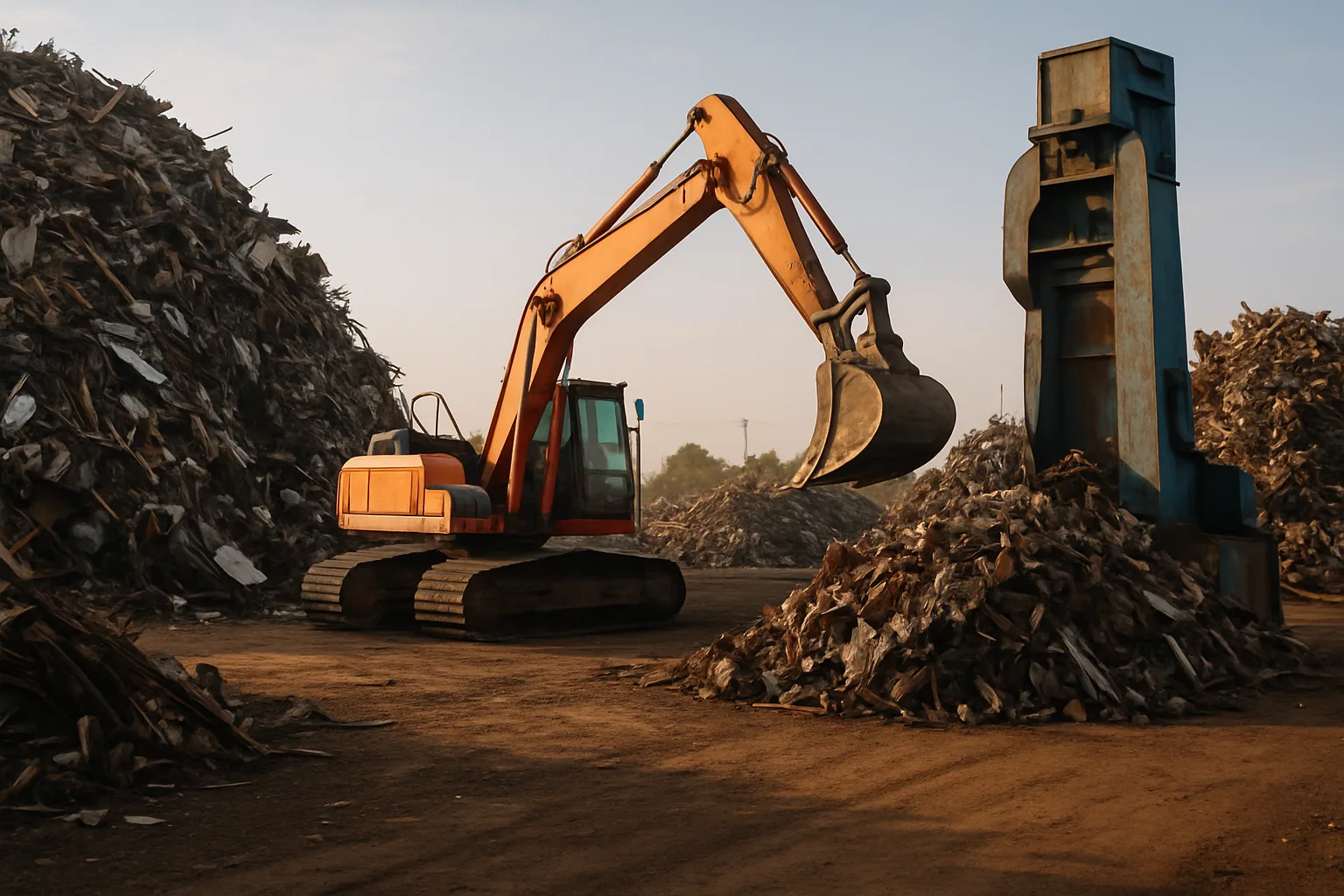
Not all scrap is created equal. That pile of mixed metals sitting in your yard could be worth $40 — or $400 — depending on what's actually in it. If you're serious about getting the most out of your scrap metal prices today, you need to know which metals pay and which ones barely cover your gas money.
This guide breaks down the most profitable scrap metals to collect, what drives their value, and how to make sure you're not leaving money on the table when you sell. Whether you're a yard operator in El Paso scrap metal services or a first-timer filling a pickup truck, the principles are the same: know your metal, document it right, and sell it competitively.
Why Scrap Metal Prices Today Vary So Drastically by Metal Type
Scrap metal isn't priced on effort — it's priced on demand, purity, and what the downstream buyer can actually do with it. Copper wire and cast iron weigh about the same pound-for-pound, but their values aren't even in the same conversation. Industrial demand, global commodity markets, and the cost of processing all play a role in what you see on the board at any given scrap yard.
Scrap metal prices today also shift with macroeconomic factors: manufacturing output, construction activity, energy costs, and trade flow all push prices up or down. That's why checking current rates before you haul anything matters. A load you priced out three weeks ago might be worth noticeably more — or less — today. Always check current scrap metal prices before you commit to a buyer.
Here's the practical breakdown of which metals are worth collecting and why:
The Top-Tier Metals: Copper, Brass, and Stainless Steel
Copper sits at the top of almost every scrap metal list for good reason. It's in everything — electrical wiring, plumbing, HVAC systems, motors, and transformers. Demand from the energy sector, EV manufacturing, and grid infrastructure keeps copper prices consistently strong. Bare bright copper (clean, uncoated wire) commands the highest rate. Insulated copper wire, copper pipe, and burnt copper each grade out differently, so sorting before you sell always pays off.
Brass is a close second. You'll find it in plumbing fixtures, valves, fittings, shell casings, and industrial hardware. It's a copper-zinc alloy, so it tracks copper prices to some degree, but it's consistently one of the better-paying non-ferrous metals at the yard. Yellow brass, red brass, and brass radiators are typically graded separately — again, clean and sorted material always fetches better rates than mixed loads.
Stainless steel rounds out the top tier. It won't hit the per-pound prices of copper, but stainless volumes can be significant in industrial and food-service settings. Restaurant equipment, industrial tanks, sinks, and certain automotive parts all contain stainless. The key is keeping it clean and separate from regular steel — most yards pay a significant premium for sorted stainless.
Mid-Tier Metals Worth Collecting: Aluminum, Lead, and Bronze
Aluminum is the workhorse of scrap collection. It's everywhere — cans, automotive parts, window frames, gutters, wheels, and siding. The price per pound is lower than copper, but the volume potential is huge. Aluminum wheels (rims) and cast aluminum components from vehicles tend to pay better than sheet aluminum or extruded profiles. If you're pulling parts from vehicles in Texas, separating your aluminum grades is worth the extra time.
Lead carries a solid per-pound value and comes up most often in batteries, wheel weights, and old pipe. Scrap lead prices fluctuate, but it's consistently in the mid-to-upper range for non-ferrous metals. The trade-off is handling — lead requires care and proper disposal protocols in many jurisdictions, so know your yard's rules before hauling a truckload of old batteries.
Bronze often gets lumped with brass, but it's a different alloy (copper and tin) and typically commands similar rates. You'll find bronze in bearings, bushings, gears, and marine hardware. It's less common than brass, but worth keeping separate when you do come across it.
The Sleeper Pick: Catalytic Converter Scrap and Precious Metal Content
If you're not paying attention to catalytic converters, you're missing one of the most valuable categories in scrap recycling. Each cat contains platinum, palladium, and rhodium — precious metals that can make a single converter worth anywhere from modest amounts to several hundred dollars depending on the vehicle make and model.
The problem most sellers run into is price discovery. Walking a cat into a single buyer and accepting whatever they offer is exactly the old way that platforms like the SMASH scrap metal auction marketplace were built to replace. SMASH's catalytic converter auction format puts your cats in front of vetted buyers who compete — meaning you're not guessing at value, and you're not dependent on one relationship for your price. VIN lookup and serial tracking features help document what you have, which gives buyers more confidence and can improve your outcome.
In El Paso and across Texas, catalytic converter theft and resale regulations have tightened in recent years. Proper documentation — serial numbers, photos, chain of custody — isn't just good practice, it's increasingly required. SMASH's photo documentation and serial tracking tools make that process straightforward, not an afterthought.
Ferrous Metals: Lower Per-Pound Value, but Volume Changes the Math
Steel and iron don't pay much per pound — that's the honest answer. But if you're moving volume, ferrous metals are worth collecting and sorting. Heavy melting steel (HMS), shredded steel, and cast iron all price differently. Prepared and sorted loads typically outperform mixed or contaminated material, sometimes significantly.
For sellers running a recycling yard or handling construction demolition material in Texas, the real money in ferrous is in processing efficiency. The more you can sort, clean, and document your loads, the better your price discovery gets. Buyers want to know exactly what they're bidding on — that's as true for a load of HMS as it is for a drum of copper wire.
Light iron (like sheet metal, appliances, and auto body panels) tends to price lower than heavy iron, so keep that in mind when you're evaluating whether a haul is worth your time. Auto cores, motors, and alternators often have non-ferrous content inside that makes them worth more than their iron shell suggests — sort accordingly.
How to Maximize Your Scrap Metal Value in El Paso and Beyond
Knowing what you have is step one. Getting paid fairly for it is step two — and that's where most sellers leave money behind. Here's what experienced collectors and yard operators do differently:
- Sort before you sell. Mixed loads almost always price to the lowest-value material in them. A box of mixed wire isn't priced like copper — it's priced like scrap. Separate your grades.
- Document your inventory. Photos, weights, grades, and any relevant serial or VIN data give buyers confidence. More confidence means more competitive bidding.
- Don't accept the first offer. One buyer, one phone call, one price — that's not a market, that's a guess. Competition reveals what your material is actually worth.
- Use the right platform. SMASH connects sellers to vetted buyers through a competitive auction format. No subscription fees. If you don't sell, there's no charge. They only win when you win.
- Check rates regularly. Scrap metal prices today aren't the same as last week. Markets move. Find the best scrap metal prices today before you commit to any deal.
- Understand regional demand. El Paso's proximity to the border and its industrial base creates specific demand patterns for certain metals. Local context matters when timing your sales.
If you want to go deeper on pricing strategy and market timing, read scrap metal pricing guides that break down how commodity markets affect what you see at the yard level.
The Bottom Line on Profitable Scrap Metal in 2026
The most profitable scrap metal is the one you've sorted, documented, and sold competitively — not the one you rushed to the nearest yard and took whatever was on the board. Copper leads the pack, but every category from aluminum to catalytic converters has upside if you approach it right.
The scrap market in Texas is active. Industrial growth, construction demand, and automotive recycling all keep the pipeline moving. But the sellers who consistently get better outcomes are the ones treating this like a business — with records, competitive pricing, and the right buyers. Platforms like SMASH exist precisely because the old way of a single call to a single buyer wasn't working for sellers.
Ready to see what your material is actually worth? Get the best scrap metal prices — check rates at best-scrap-metal-prices.com and find out what the market will actually pay for your next load.
Disclaimer: Scrap metal prices fluctuate based on commodity markets, regional demand, and material grade. Always verify current rates before selling.
Frequently Asked Questions
Q: What scrap metal is worth the most money right now?
Copper consistently ranks as the highest-value scrap metal per pound, particularly bare bright wire and clean copper pipe. Catalytic converters are also high-value due to their platinum-group metal content. Prices change frequently, so always check scrap metal prices today before hauling a load.
Q: Where can I sell scrap metal near me in El Paso, TX?
El Paso has several scrap yards operating across the metro area. For standard ferrous and non-ferrous loads, local yards are a practical option. For higher-value material like catalytic converters or large non-ferrous loads, using a competitive platform like SMASH can help you access vetted buyers and better price discovery beyond just the nearest yard.
Q: How do I get the best price for my scrap metal?
Sort your material by grade before selling — mixed loads always price to the lowest-value component. Document your inventory with photos and weights. And don't rely on a single buyer's quote; competitive pricing through an auction format typically reveals more of what your material is actually worth on the open market.
Q: Is it worth collecting aluminum scrap in Texas?
Yes — aluminum is one of the most practical metals to collect at volume. Aluminum wheels, cast components, and clean sheet aluminum all hold decent value, and the supply from construction, automotive, and consumer goods is consistent across Texas. Sort your grades (cast vs. extruded vs. sheet) to maximize what you're paid.
Q: How often do scrap metal prices change?
Scrap metal prices can shift daily based on commodity futures, regional demand, and buyer activity. Most yards update their boards weekly, but prices can move between updates. Always check current rates close to the time you plan to sell rather than relying on figures you looked up days or weeks earlier.
Stay ahead of scrap metal market trends — follow SMASH on LinkedIn for industry updates, pricing insights, and news that affects what your loads are worth.