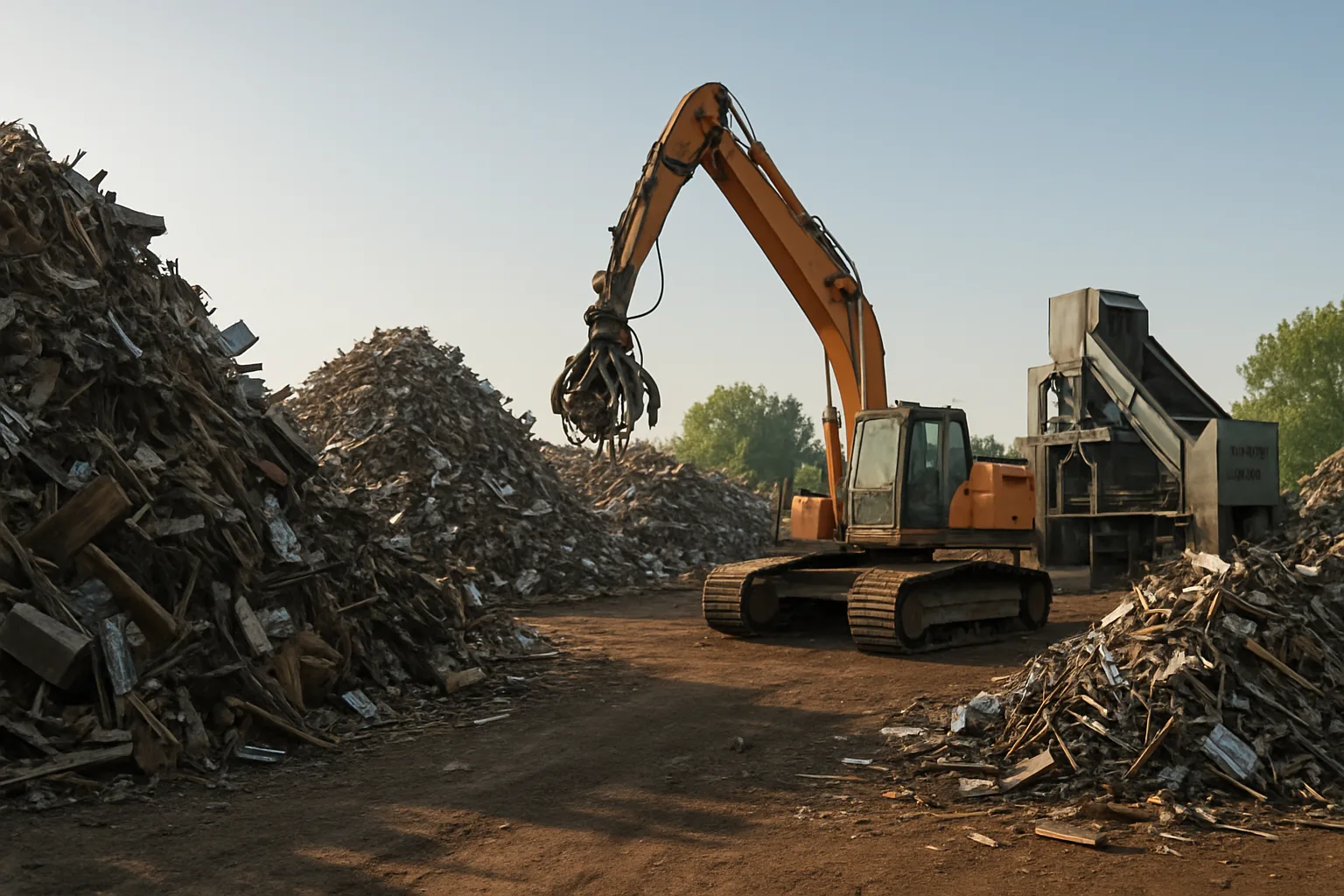
Copper pipe pulled from a gutted bathroom renovation. Aluminum wheels stacked behind a body shop. A dead AC unit sitting at the curb. Most people see junk. Experienced scrappers see cash — if they know which metals are actually worth collecting. Not everything that's heavy is profitable. The difference between a decent payout and a disappointing one comes down to knowing your metals before you load the truck.
If you're looking to sell scrap metal Rochester and maximize what you walk away with, this guide breaks down the most profitable metals to target, what they typically pay, and how to make sure you're not leaving money on the table at the yard.
Why Metal Selection Matters Before You Pull Into the Yard
A lot of new scrappers make the same mistake: they haul everything. Old appliances, mixed wire, rusty steel, aluminum cans — all thrown in together. Then they're surprised when the payout feels low. Scrap yards price by metal type, grade, and purity. Mixed loads usually get downgraded. Sorted, clean loads get premium rates.
Rochester has a solid industrial base — manufacturing facilities, auto body shops, construction crews, and older residential housing stock. That means there's real volume of high-value metals moving through this region. New York's infrastructure replacement projects and ongoing commercial development also generate consistent scrap streams. Knowing what to target here isn't just helpful — it directly affects your bottom line.
Before you load anything, ask yourself two questions: What metal is this? Is it clean or contaminated? Those two answers determine what you actually get paid. Want a baseline before you go? check current scrap metal prices so you know what to expect before you pull up to the window.
Copper: The Highest-Paying Metal You'll Find in the Field
Copper sits at the top of the scrap value ladder — consistently. It's used in electrical systems, plumbing, HVAC equipment, and industrial machinery. When you find it, you want to know exactly what grade you're holding, because copper isn't just "copper." There are meaningful price differences between grades.
Here's how copper grades typically break down:
- #1 Bare Bright Copper: The cleanest, highest-paying grade. Uncoated, unalloyed copper wire, 16 gauge or thicker, with no insulation, solder, or plating. This is the gold standard.
- #1 Copper: Clean copper pipe and wire with no fittings, solder, or insulation. Slightly lower than bare bright but still top tier.
- #2 Copper: Pipe with fittings, light oxidation, or minor contamination. Common grade from renovation and demolition work.
- Insulated Copper Wire: Value depends heavily on copper percentage inside the insulation. Stripping it yourself almost always pays more.
In Rochester, copper turns up consistently in older homes being renovated — the city has significant housing stock from the early-to-mid 20th century, and those properties often have copper plumbing and wiring. Commercial demolition sites are another strong source. Always sort by grade before you go. Lumping #1 and #2 together means you get paid #2 rates on everything.
Aluminum Scrap Price Today: Why Aluminum Is the Volume Play
Copper pays more per pound, but aluminum wins on volume. It's everywhere — window frames, gutters, storm doors, car wheels, ladders, engine components, siding, beverage cans, and electrical cable. If you're collecting scrap metal near me for cash on a regular basis, aluminum is the metal you'll see most often.
The aluminum scrap price today varies by grade, just like copper. The grades that matter most to yard sellers:
- Cast Aluminum: Engine blocks, transmission housings, wheels. Dense and heavy. Good payout per piece.
- Extruded Aluminum (6061/6063): Window frames, door frames, structural components. Clean, consistent grade.
- Sheet Aluminum: Siding, HVAC panels, signage. Common and relatively easy to sort.
- Aluminum Wire: Often found in older electrical panels. Strip if possible for better rates.
- Aluminum Cans: Low per-pound rate, but high volume if you're collecting regularly.
Rochester's construction activity and industrial sector generate steady aluminum scrap streams. Auto body shops accumulate aluminum rims and trim. HVAC contractors generate sheet aluminum and copper-aluminum radiators. Building out relationships with these businesses gives you a reliable supply beyond what you find on your own. Read scrap metal pricing guides to understand how aluminum grades compare to other metals before you commit to a collection strategy.
Brass, Stainless Steel, and Other Non-Ferrous Metals Worth Targeting
Copper and aluminum get most of the attention, but experienced scrappers know that non-ferrous metals as a category are where the real money lives. Brass and stainless steel deserve a place in your sorting routine.
Brass is a copper-zinc alloy. It shows up in plumbing valves, fittings, faucets, door hardware, marine equipment, and industrial components. It pays significantly more per pound than steel, and it's dense — a bucket of brass fittings adds up fast. Clean yellow brass fetches better rates than red brass or mixed brass. Learn the difference and sort accordingly.
Stainless steel pays more than standard carbon steel but less than copper or brass. It's non-magnetic (useful for quick identification) and found in commercial kitchen equipment, automotive exhaust components, food processing machinery, and medical equipment. If you're hauling ferrous loads, pull the stainless out first — it deserves its own pile.
Other non-ferrous metals worth watching for:
- Lead: Wheel weights, old pipe, roofing flashing. Dense and valuable per pound, though handling requires care.
- Zinc: Die-cast hardware, older plumbing components, roofing sheet metal.
- Nickel alloys: Industrial and aerospace components. Uncommon but high-value when found.
Platforms like smashscrap.com are built for sellers who want real market competition on loads like these — not a single buyer offering a take-it-or-leave-it number.
Steel and Iron: Low Price Per Pound, High Volume Opportunity
Steel and iron pay the least per pound of any scrap metal. That's the reality. But dismissing ferrous metals entirely is a mistake. Volume is the play here, and New York's industrial and construction sectors generate enormous quantities of steel scrap — structural steel, rebar, sheet metal, auto bodies, appliances, and heavy equipment.
The key to making steel work for your operation:
- Move volume fast. Steel prices fluctuate with global markets. Don't sit on large piles waiting for rates to improve — that strategy rarely pays off.
- Keep it clean. Unprepared steel with excessive rust, paint, or attached non-metal materials gets downgraded. Light shredding or cutting increases value.
- Know the difference between #1 steel, #2 steel, and shredded steel. Yards price them differently.
- Pull out the good stuff first. Any copper, brass, or stainless mixed into a steel load raises your total payout significantly if you separate it before selling.
In Rochester, auto salvage operations, manufacturing facilities, and demolition contractors are the biggest sources of steel volume. If you're building a consistent scrap business, establishing supply relationships with these operations can turn steel's low per-pound rate into a profitable volume play. You can find the best scrap metal prices today by comparing rates across buyers rather than defaulting to the first yard you call.
How to Get the Best Scrap Metal Prices in Rochester
Knowing what metals to collect is step one. Getting paid fairly for them is step two. Too many sellers in Rochester — and across New York — default to one buyer out of habit. One phone call, one quote, done. That approach almost certainly leaves money behind.
Here's what actually moves the needle on your payout:
- Sort everything before you arrive. Mixed loads get mixed (lower) rates. Sorted loads get the grade they deserve.
- Document your load. Photos, weights, and accurate descriptions give buyers confidence — and confident buyers bid higher.
- Get multiple quotes. Call at least two or three buyers. Prices vary more than most sellers expect.
- Use a platform that creates competition. When multiple vetted buyers compete for your load, you discover what the market actually pays — not what one buyer decides to offer.
- Time your sales when possible. Scrap metal prices today are influenced by global commodity markets. Monitoring trends helps you avoid selling into a dip.
SMASH is built around this exact principle. Rather than locking you into one buyer's price, SMASH puts your load in front of vetted buyers who compete for it. More competition means better price discovery. No subscription fees — SMASH only makes money when you do. That's a model that aligns with sellers, not against them.
Whether you're clearing out a single property in Rochester or running a regular collection route through New York, the process is the same: know your metals, sort them properly, and let real competition determine your price. If you want to know where scrap metal prices today actually stand before you sell, check current scrap metal prices and stop guessing.
Disclaimer: Scrap metal prices fluctuate daily based on commodity markets, regional demand, and material grade. Always verify current rates directly with buyers or platforms before selling.
Frequently Asked Questions
Q: What is the most profitable scrap metal to collect in Rochester?
Copper consistently pays the highest rate per pound. Bare bright copper and #1 copper wire are the top grades. If you're scrapping in Rochester, older residential properties and commercial renovation sites are reliable sources of copper plumbing and electrical wire.
Q: How do I find the best scrap metal prices near me in Rochester?
Don't rely on a single yard's quote. Call multiple buyers, check online pricing resources, and consider using auction-style platforms like SMASH that let vetted buyers compete for your load. More competition almost always results in better price discovery than a single-buyer approach.
Q: What's the difference between ferrous and non-ferrous scrap metal?
Ferrous metals contain iron — steel, cast iron, and wrought iron fall in this category. Non-ferrous metals don't contain iron — copper, aluminum, brass, stainless steel, and lead are non-ferrous. Non-ferrous metals generally pay significantly more per pound and are what most serious scrappers prioritize.
Q: Does sorting my scrap metal before selling actually make a difference in payout?
Yes — significantly. Yards grade mixed loads conservatively, meaning they price everything at the lowest applicable rate. A sorted load of clean #1 copper pays far more than the same copper mixed with #2 material and insulated wire. Sorting takes time but it directly increases what you walk away with.
Q: How do scrap metal prices today compare to what they were a year ago?
Scrap metal prices follow global commodity markets and fluctuate constantly. Rather than comparing to past periods, focus on current rates. Check live pricing resources and get multiple quotes before selling. Platforms like SMASH help you discover what the current market actually pays rather than relying on historical estimates.
The best scrap runs start with the right metals and end with the right buyers. Whether you're clearing a site, running a regular route, or just learning the business, knowing your grades and getting real competition on your loads is what separates average payouts from great ones. Check rates and get current pricing at best-scrap-metal-prices.com.
Stay ahead of market moves and industry shifts — follow SMASH on LinkedIn for scrap metal market insights, pricing trends, and updates from across the North American recycling industry.