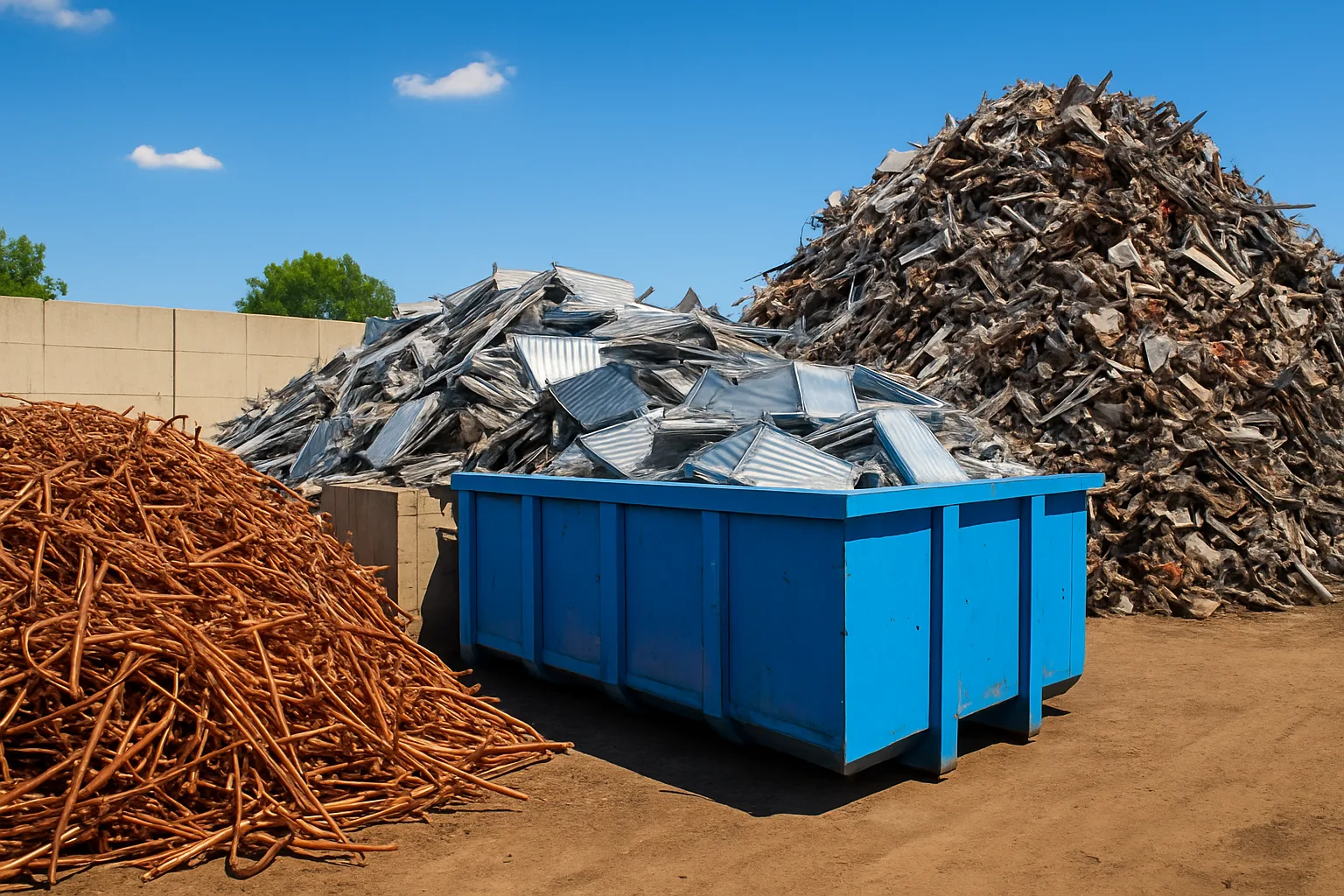
Why "Scrap Metal Near Me" Searches Don't Always Lead to the Best Price
Most sellers find their scrap buyer the same way they find a pizza place — whoever shows up first in search results. That's a fine strategy for lunch. It's a lousy strategy when you're moving a load of copper, aluminum, or catalytic converters. In Rochester, New York, there are real buyers competing for quality scrap. The problem is most sellers never see that competition play out.
If you've typed best scrap metal prices Rochester into a search bar recently, you already know the drill. You get a list of yards, a few phone numbers, and a rough sense that prices vary — but no real way to know if the number a buyer quotes you is fair, inflated, or low. That information gap costs sellers money every single week.
This week's market recap breaks down what's moving in scrap right now, how to find a buyer who's actually competing for your material, and why the old one-call approach leaves real money on the table. Want to skip ahead and find the best scrap metal prices today? Start there. Or keep reading — there's context here worth having.
What Scrap Metal Prices Look Like This Week (July 2026)
Scrap markets in mid-July 2026 are reflecting a familiar summer pattern — demand from construction and manufacturing stays relatively steady, but trading volumes tend to soften slightly as the season peaks. That said, copper prices remain elevated by historical standards, driven by sustained demand from EV infrastructure buildout and grid modernization projects across the U.S. If you're sitting on bare bright copper, insulated wire, or #1 and #2 copper, this is not the time to let it collect dust.
Aluminum prices are holding firm, particularly for cast and extrusion grades. Automotive scrap flows — including aluminum wheels, cast engine components, and sheet — continue to move well in the northeastern U.S. markets. Yards serving the Rochester corridor are active buyers for clean aluminum loads. Steel and iron prices are slightly softer this week, consistent with broader mill appetite signals, but shredded and HMS (heavy melt steel) volumes are still trading at prices that make cleanout loads worth moving.
- Copper (bare bright): Watch for strong bids — demand from electrical and EV sectors remains high
- Aluminum (extrusion/cast): Steady pricing, clean loads attract better bids
- Steel/HMS: Slightly softened, but volume loads still move well
- Catalytic converters (cats): PGM spot prices fluctuating — documentation matters more than ever for buyer confidence
- Insulated wire: Yield percentage is everything — know your recovery rate before you price it
Disclaimer: Scrap metal prices fluctuate daily based on commodity markets, regional demand, and material grade. Always check current scrap metal prices before selling. The information above reflects general market conditions as of July 19, 2026, and should not be treated as a guaranteed rate.
The Real Problem With Finding a Scrap Buyer Near You
Finding a scrap yard near Rochester isn't hard. There are plenty of licensed buyers operating across Monroe County and the surrounding region. The problem isn't access — it's price discovery. When you call one yard and accept a price, you have no benchmark. You don't know if that number reflects the actual market or reflects the buyer's best margin.
This is how the old way works: you call around, get two or three quotes, pick the highest one, and assume you did your job. Sometimes that works. Often, you've left money behind. The yards with the most aggressive salespeople aren't always the ones paying the best prices. And the yards quoting low aren't always doing it on purpose — they may just have less demand for your specific material grade that week.
The smarter approach is letting multiple vetted buyers compete simultaneously. That's the model that platforms like SMASH are built on. Instead of calling around individually, you list your load — with photos, weights, material grades, and any relevant documentation — and qualified buyers submit bids. The competition reveals the actual market value. No guessing. No wondering if you undersold. To compare scrap metal bids from verified buyers, that competitive format changes everything about how a seller approaches a load.
Scrap Metal Inventory Management: Why Documentation Gets You Better Bids
If you're selling a mixed load and you describe it as "a bunch of aluminum and some wire," don't be surprised when buyers hedge their bids. Vague listings get cautious pricing. Detailed listings get competitive pricing. This is true whether you're operating a full recycling yard or clearing out a commercial property in Rochester.
Good scrap metal inventory management means documenting what you have before you go to market. That includes:
- Material grade identification: Bare bright vs. #1 copper vs. #2 copper are three different price points
- Weight estimates: Even rough weights help buyers model a bid accurately
- Photos: Clear images of the load reduce uncertainty — and uncertainty always costs the seller money
- BOLs and packing lists: For larger commercial loads, proper documentation builds buyer trust fast
- Serial tracking for cores/cats: Catalytic converter buyers want VIN lookups and serial tracking. Period.
SMASH's inventory tool is built around exactly this. Sellers can document loads with photos, material breakdowns, and supporting paperwork before the auction opens. Buyers get confidence. Sellers get better bids. That's not a coincidence — it's cause and effect. When you read scrap metal pricing guides, this principle comes up repeatedly: documentation is leverage.
New York state also has specific requirements around documentation for certain scrap categories — particularly catalytic converters and automotive cores. Staying ahead of those requirements isn't just about compliance. It's about being the kind of seller that serious buyers want to do business with repeatedly.
How a B2B Scrap Metal Marketplace Changes the Equation for Rochester Sellers
The B2B scrap metal marketplace model isn't new — but it's still underused by the majority of sellers in secondary markets like Rochester. Most sellers default to established yard relationships, which isn't inherently wrong. Relationships matter in this business. But relationships and competitive pricing aren't mutually exclusive. They can coexist — especially when you have data to back up your ask.
Here's what changes when you move through a structured marketplace rather than a direct yard call:
- Multiple buyers see the same load simultaneously. That creates real-time price competition instead of sequential negotiation.
- Buyers are vetted. You're not chasing down payment from an unknown buyer or dealing with a yard that can't move your volume.
- The process is documented end to end. Auto-invoicing, BOL management, and photo records create a clean paper trail for every transaction.
- No subscription fees. SMASH operates on a model where the platform wins when the seller wins. You're not paying to list a load that doesn't sell.
For yards and commercial sellers in Rochester and across New York, this format works particularly well for non-ferrous loads, cat converter batches, and mixed industrial scrap where material composition affects price significantly. The more complex your load, the more value competition creates.
What Sellers in Rochester Should Do Differently This Week
If you've been moving scrap the same way for the past few years — one buyer, one call, one price — this week is a good time to test the alternative. Here's a practical approach for sellers in the Rochester area looking to get sharper pricing on their next load.
Step 1: Sort and grade before you sell. Mixing copper grades or contaminating an aluminum load costs you on the back end. Clean, sorted material always commands better pricing.
Step 2: Document with photos and weights. Take five minutes before a load moves. Weight tickets, photos, and a clear material breakdown are the difference between a cautious bid and a competitive one.
Step 3: Don't accept the first number. Market pricing for copper, aluminum, and steel changes daily. What a yard quoted you three weeks ago may not reflect today's spot. Check current rates before you commit.
Step 4: Let buyers compete. If you're moving a meaningful volume, there's no reason to go to a single buyer first. List it, document it, and see what real competition produces. More buyers means better price discovery — that's not marketing language, it's how markets work.
Step 5: Track your results over time. Sellers who know their per-pound averages by grade — and track them consistently — make better decisions than sellers flying blind on every transaction.
The scrap market in Rochester and across New York rewards sellers who come prepared. The yards and buyers who pay the best prices are also the ones who prefer working with organized, documented sellers. Give them a reason to compete hard for your material.
Ready to stop guessing and start getting real market prices? Find the best scrap metal prices today and see what your material is actually worth in the current market. The rates are moving — make sure your next sale reflects them.
Frequently Asked Questions
Q: How do I find the best scrap metal prices near me in Rochester, New York?
Start by sorting and documenting your material — grade, weight, and photos all help buyers price accurately. Then compare bids across multiple buyers rather than accepting the first quote. Platforms built for competitive bidding give you real price discovery instead of a single yard's offer. Checking market rates before you sell is also essential since scrap prices shift daily.
Q: What scrap metals are worth the most right now in July 2026?
Copper — especially bare bright and #1 copper — is commanding strong prices due to ongoing demand from EV infrastructure and grid projects. Clean aluminum extrusion and cast grades are also pricing well. Steel and HMS are slightly softer this week, but volume loads still move. Catalytic converters remain valuable but require proper documentation to attract confident buyer bids.
Q: What is a B2B scrap metal marketplace and how does it help sellers?
A B2B scrap metal marketplace connects sellers directly with multiple vetted industrial buyers who compete for loads through an auction or bid format. Instead of calling one yard at a time, sellers list their material once and receive competing bids. This creates real price competition, improves transparency, and typically leads to better price discovery than a single-buyer negotiation.
Q: Does SMASH charge a subscription fee to list scrap?
No. SMASH operates without subscription fees for sellers. The platform is structured so it wins when the seller wins — you're not paying to list a load that doesn't move. This model is designed to align SMASH's incentives with the seller's outcome, not create upfront cost regardless of results.
Q: Why does documenting my scrap load matter for pricing?
Buyers price uncertainty conservatively. If a load is vaguely described, a buyer has to hedge their bid to account for unknowns around grade, contamination, or yield. Detailed photos, weight estimates, material breakdowns, and supporting paperwork like BOLs remove that uncertainty — and buyers respond with stronger, more confident bids. Better documentation is one of the fastest ways to improve your per-pound returns without changing anything about the material itself.
Stay sharp on market moves and industry pricing trends by following SMASH on LinkedIn — regular updates on scrap metal markets, platform news, and buyer activity across North America.