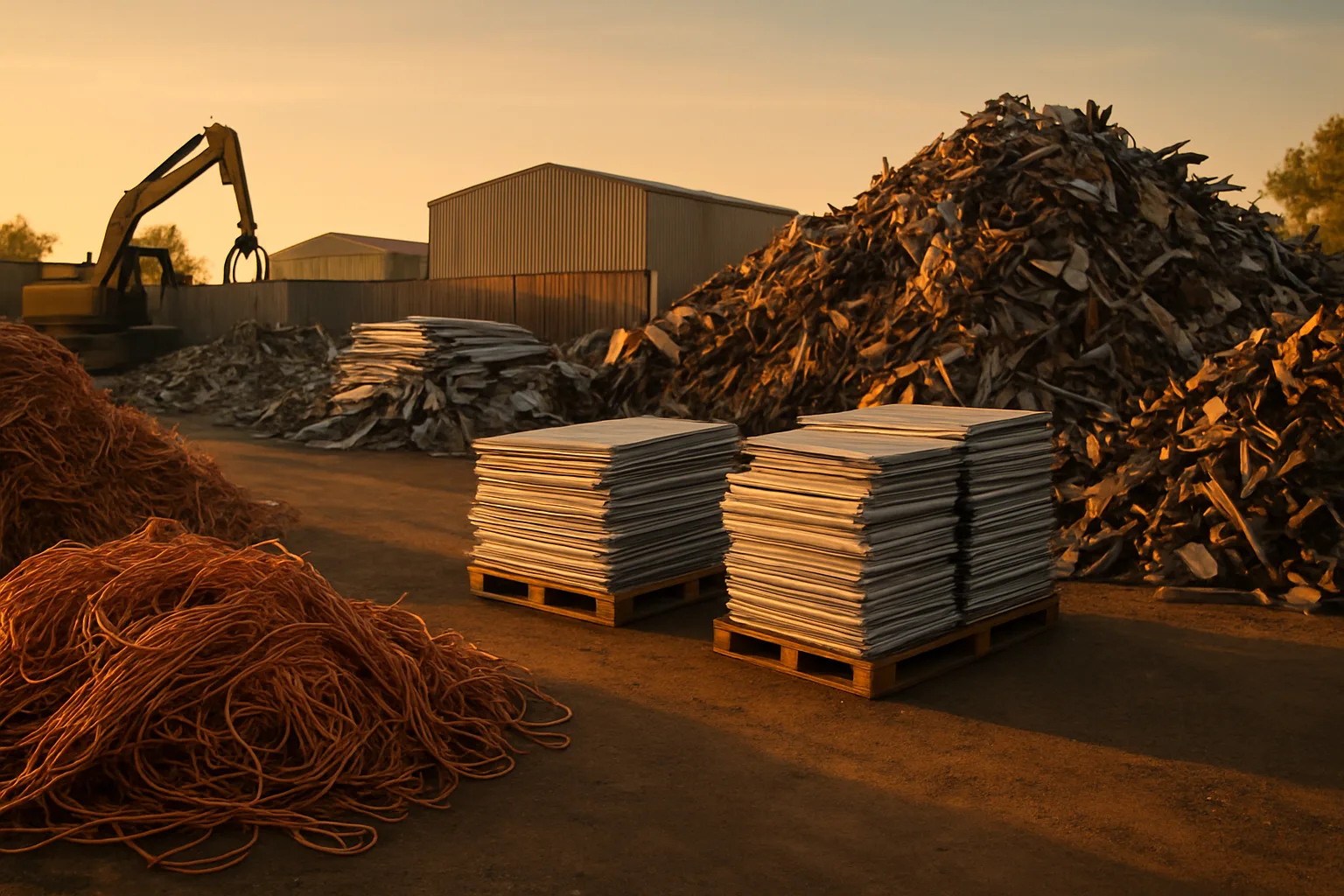
Most scrap yards will buy your mixed pile — but they won't pay you like it's sorted. If you're leaving metal unseparated, you're leaving money on the table. Every time.
Sorting and preparing your scrap before you sell isn't just about being organized. It's about understanding how buyers price metal and using that knowledge to your advantage. Whether you're running a Richmond yard, clearing out a job site in Virginia, or moving loads through a SMASH Scrap — where verified buyers bid on your metal auction, preparation directly affects what you get paid.
This guide breaks down how to sort, document, and prepare scrap metal so you're positioned to capture the best scrap metal prices Richmond has available — and not just take whatever the first buyer offers.
Why Sorting Scrap Metal Matters More Than You Think
Buyers price mixed loads conservatively. They have to. When a buyer can't verify what's in a load, they assume the worst-case metal mix and price accordingly. That conservatism comes out of your pocket.
Clean, separated metal removes the guesswork. A buyer looking at a documented pallet of bare bright copper wire prices that load very differently than a bin of mixed wire with insulation still on it. The cleaner and more clearly identified your material, the more confident buyers become — and confident buyers bid higher.
- Mixed loads get priced at the lowest-grade metal in the pile
- Sorted loads let each material grade command its own price
- Documented inventory with photos gives buyers confidence before they even see the load in person
- Clean material reduces processing costs on the buyer's end — they pay more for less work
On a large non-ferrous load, the difference between a mixed price and a sorted, clean price can be significant. That gap doesn't disappear just because you're in a hurry. It goes straight to the buyer.
How to Sort Scrap Metal by Grade and Material Type
The first rule: ferrous and non-ferrous never go in the same bin. Ferrous metals (iron, steel) contain iron and are magnetic. Non-ferrous metals (copper, aluminum, brass, stainless) are not. Keep them completely separate from the moment you collect them.
From there, break down each category further. The more granular you get, the better your position when you go to sell.
Ferrous Sorting Basics
- #1 Steel / HMS 1 — Clean steel, no more than ¼-inch thick, no attachments
- #2 Steel / HMS 2 — Heavier gauge, may have light rust or minor attachments
- Cast iron — Separate from plate steel; it's priced differently
- Light iron / sheet metal — Thin gauge, often lower value per ton
- Stainless steel — Keep completely separate; non-ferrous pricing
Non-Ferrous Sorting Basics
- Bare bright copper — Clean, uncoated copper wire, no insulation
- #1 copper — Clean pipe, bus bar, no solder or attachments
- #2 copper — Pipe with solder, fittings attached, light oxidation
- Insulated copper wire — Keep separate from bare; grade by insulation thickness
- Aluminum — Separate by type: extrusion, cast, sheet, painted vs. clean
- Brass — Yellow brass, red brass, and brass turnings are all priced differently
- Stainless — 304 and 316 grade separately if possible
In Richmond's industrial corridor and throughout Virginia's manufacturing base, yards receive a wide variety of material — everything from HVAC components to automotive non-ferrous. Knowing where your material fits in these grades before you call a buyer puts you in a stronger negotiating position.
Preparing Scrap Metal to Get the Best Price
Sorting is step one. Preparation is what gets you to the top of the price range within each grade. Buyers pay attention to how material is presented — it signals whether you know what you're doing and whether they're going to have extra processing work to deal with.
Here's what preparation actually means in practice:
- Strip insulation from copper wire — If copper prices today make it worth the labor, bare bright consistently commands a significantly higher price than insulated wire. Run the numbers before you decide.
- Remove attachments — Brass fittings on copper pipe, steel bolts on aluminum brackets, iron housings on motors. Clean your material down to the base metal where it's economically viable.
- Cut to manageable lengths — Many buyers have size requirements. Long, tangled runs of wire or oversized steel sections may get downgraded or rejected at weigh-in.
- Drain fluids from motors and components — Fluids add weight but no metal value, and many yards won't accept materials with fluid in them without deducting.
- Remove non-metal materials — Rubber gaskets, plastic housings, wood pallets attached to scrap. Clean the load.
- Bundle and band where possible — Bundled material stacks better, weighs in accurately, and presents well on photo documentation.
This prep work isn't overhead — it's investment. Every pound of contaminant you remove is a pound the buyer isn't discounting. Every grade you separate correctly is a line item that prices at its true value instead of being dragged down by the mix.
Scrap Metal Inventory Management: Document Before You Sell
This is where most small and mid-sized operations leave money on the table. They haul the load in, get a price at the scale, and leave. No documentation. No photos. No weight records by material type. And when a buyer low-balls them next time, they have nothing to compare it against.
Strong scrap metal inventory management practices change that dynamic. Before any load moves, document what you have:
- Photos of each material grade — Not just the pile, but close-ups that show the quality and cleanliness of the material
- Estimated weights by category — Even rough estimates help buyers bid accurately
- Serial numbers and VIN lookups on automotive cores or catalytic converters where applicable — this protects you and satisfies buyer due diligence
- Bills of lading (BOLs) and packing lists for any load moving through a formal sales process
- Date of collection and source — Useful for compliance tracking and for establishing that material is legitimately sourced
Platforms like SMASH are built around this documentation-first approach. When you list a load with photos, weights, and material grades, vetted buyers across North America can evaluate and bid on it without requiring a call or a site visit first. That's how you turn your prep work into competition — and competition is what drives better price discovery. To check current scrap metal prices before listing a load, get a baseline so you know what range to expect.
If you want to understand how documentation and marketplace dynamics connect to pricing, read scrap metal pricing guides that walk through how grades and buyer behavior actually affect what you receive at sale.
Using a B2B Scrap Metal Marketplace to Maximize Your Return
You've sorted the load. You've prepped it. You've documented it. Now the question is: who are you selling to, and how many of them are competing for it?
The single-buyer, single-phone-call model has one fatal flaw: you only know what one buyer is willing to pay that day. You don't know what the market is. You're guessing. And the buyer knows that.
A B2B scrap metal marketplace like SMASH changes the equation. Instead of calling one yard and hoping the price is fair, you list your documented load in an auction format. Vetted buyers see the load, evaluate the documentation, and compete. That competition reveals the market — not one buyer's margin preference for that Tuesday afternoon.
For Richmond operations moving regular volume — whether that's non-ferrous from HVAC work, steel from demolition, or aluminum from manufacturing scrap — having access to a wider buyer pool means your prep work actually pays off. Clean, documented material listed on a competitive platform captures more of its actual market value than the same material sold over a single cold call.
There are no subscription fees with SMASH. The model is straightforward: SMASH only wins when the seller wins. For yards and collectors in Virginia looking to stop guessing at price and start running a real sales process, that structure makes sense.
You can also access Richmond scrap metal services to get localized pricing data and connect with buyers operating in your specific market.
Building a Repeatable Process for Maximum Scrap Metal Value
One good sale is luck. A repeatable process is a business.
The yards that consistently get strong prices aren't doing anything magic. They sort on intake, not on the day of sale. They maintain photos and weights as inventory moves through. They know their grades, they know when to strip and when it's not worth the labor, and they sell through channels where buyers compete for their material.
Start with a simple intake process:
- Separate ferrous from non-ferrous at the point of collection
- Assign a bin or area to each major grade
- Photograph loads before and after preparation
- Record weights by grade before sale
- List on a competitive platform with full documentation before accepting any offer
This doesn't require expensive software or a big team. It requires discipline and the right sales channel. When you're ready to find the best scrap metal prices today, showing up with a prepared, documented load puts you in the best possible position — whether you're in Richmond, across Virginia, or anywhere else in North America.
Prices fluctuate daily based on global demand, exchange rates, and regional market conditions. What you get for copper, aluminum, or steel this week won't be the same next month. But how you prepare and how you sell — that's within your control, regardless of where the market sits. Get the best scrap metal prices for your prepared loads by checking current rates at best-scrap-metal-prices.com.
Disclaimer: Scrap metal prices fluctuate based on market conditions, material grade, regional demand, and other factors. Always verify current pricing before selling any load.
Frequently Asked Questions
Q: What is the best way to sort scrap metal before selling in Richmond?
Start by separating ferrous (magnetic) metals from non-ferrous. Then break each category down further by grade — bare bright copper separate from insulated wire, HMS 1 separate from light iron, and so on. The more precisely you sort, the more each grade can be priced on its own merits rather than being averaged down by a mixed load price.
Q: Does cleaning and stripping scrap metal actually increase what I get paid?
Yes — but run the numbers first. Stripping insulation from copper wire almost always pays off when copper prices are strong, because bare bright commands a meaningfully higher price per pound than insulated wire. Removing steel attachments from aluminum or brass also typically improves the price. The general rule: if the labor cost is less than the price-per-pound difference times the weight, it's worth doing.
Q: How do I find the best scrap metal prices in Richmond, Virginia?
Get quotes from multiple buyers rather than accepting the first offer. Use a competitive platform like SMASH where vetted buyers bid on your documented loads — more buyers mean better price discovery. Check current market rates at best-scrap-metal-prices.com before you go to sale so you have a baseline for what your material should fetch.
Q: What documentation do I need to sell scrap metal through a B2B marketplace?
At minimum, photos of each material grade, estimated weights by category, and basic sourcing information. For automotive cores or catalytic converters, VIN lookups and serial tracking add legitimacy and buyer confidence. Bills of lading and packing lists are required for formal load transfers. Platforms like SMASH have built-in tools to handle this documentation efficiently.
Q: How often do scrap metal prices change in the Richmond area?
Scrap metal prices can change daily and are influenced by global commodity markets, local supply and demand, and regional yard capacity. Copper, aluminum, and steel prices all move independently. Check current rates regularly — especially before moving a large load — so you're not selling into a price dip without realizing it.
---Stay current on market shifts and industry news by following SMASH on LinkedIn — regular updates on scrap metal market conditions, pricing trends, and industry developments worth knowing.