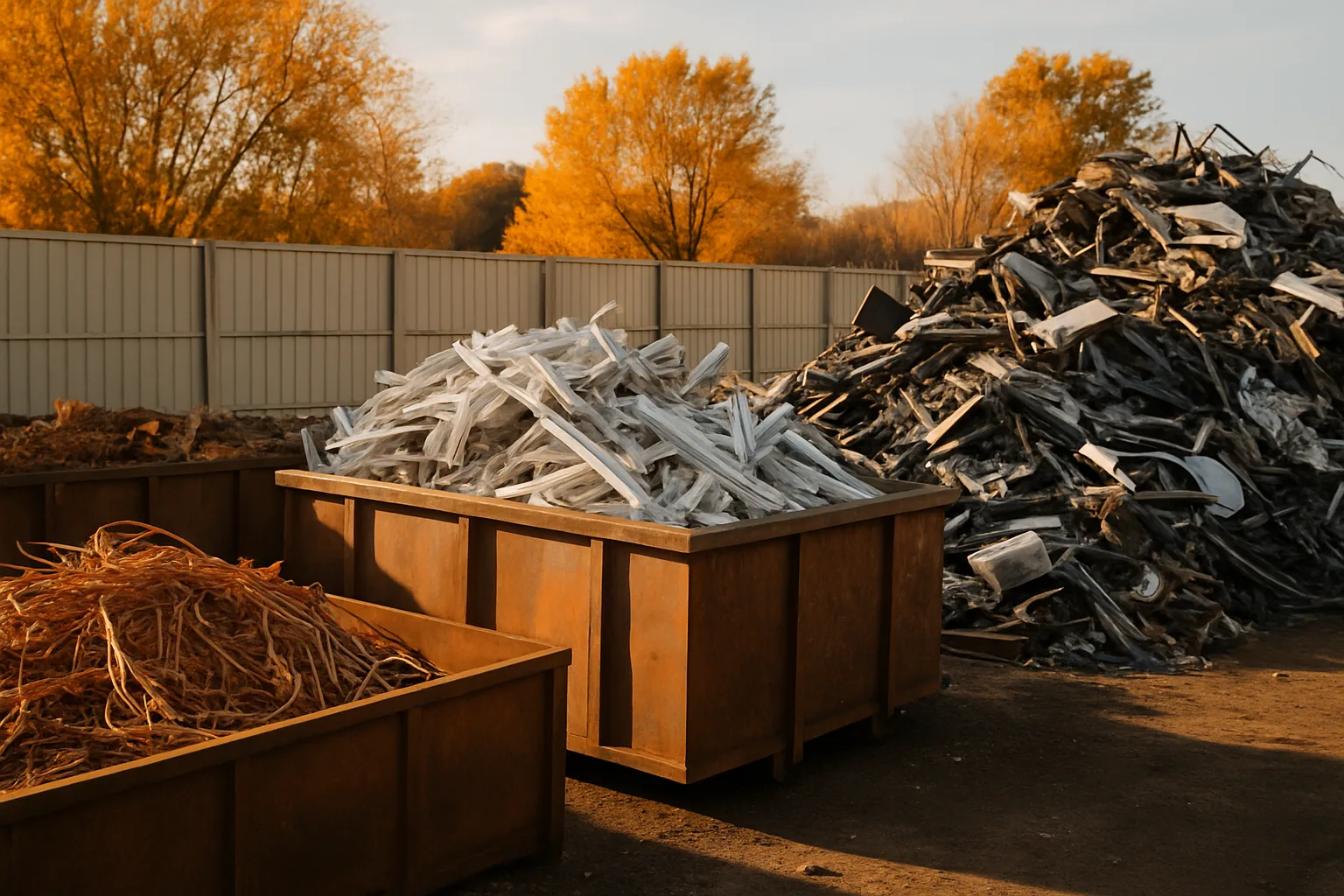
Your old alternator is worth more than you think — and most people just throw it away. Auto parts like radiators, alternators, starters, and copper wiring contain high-value metals that recyclers actively want. If you're sitting on a pile of pulled parts in Tampa and not sure what they're worth, you're leaving real money on the table.
This guide breaks down exactly how auto parts get recycled for metal, which parts carry the most value, and how to make sure you're getting competitive pricing when you sell. Whether you're a backyard mechanic, a small repair shop, or a yard operator, understanding the process puts more money in your pocket.
Ready to find the best scrap metal prices today on your auto parts? Let's get into it.
What Metals Are Actually Inside Auto Parts?
Before you can price anything, you need to know what you're working with. Auto parts aren't made from a single material — they're assemblies of multiple metals, each with its own scrap value. The part you pull off an engine bay might contain copper, aluminum, steel, and even platinum-group metals, depending on what it is.
Here's a quick breakdown of the most common auto parts and the metals inside them:
- Radiators: Typically copper and brass (older units) or aluminum (newer units). Copper-brass radiators are among the highest-value auto parts you'll find. Aluminum radiators are lighter but still command solid aluminum scrap prices.
- Alternators: Steel housing with copper windings inside. The copper is the value here. Whole alternators sell as a unit at most yards, but some recyclers strip them for the copper wire to maximize return.
- Starters: Similar to alternators — steel body, copper windings, sometimes a small amount of aluminum. Sold whole or stripped.
- Copper wiring harnesses: Pure copper, often coated in plastic insulation. Stripped bare copper fetches significantly more than insulated wire.
- Catalytic converters: Contain platinum, palladium, and rhodium — the most valuable metals in any vehicle. Prices swing hard with the precious metals market.
- Aluminum wheels and engine blocks: Clean aluminum. One of the most in-demand non-ferrous metals at any scrap yard.
- Steel parts (rotors, calipers, suspension): Ferrous metal. Lower per-pound value, but weight adds up fast.
Knowing the composition of each part means you can sort before you sell — and sorting almost always means better pricing. Mixed loads get averaged down. Clean, sorted material gets priced at its actual value.
How Auto Parts Are Recycled: The Step-by-Step Process
Scrap metal recycling isn't just a guy with a magnet and a scale. The process that turns your old radiator into new raw material involves several stages, and understanding it helps you present your material in the way recyclers actually want it.
Here's how it typically works from your dumpster to the smelter:
- Collection and sorting: Parts arrive at the yard mixed or sorted. Yards that receive sorted material can move it faster and often pay more. Unsorted loads get graded lower to account for processing costs.
- Depollution: Fluids — coolant, oil, brake fluid — get drained and processed separately before any metal work begins. If you're bringing radiators or engine components, drain them first. Some yards won't accept full parts with fluids still in them.
- Dismantling or shredding: Depending on the part, it either gets manually dismantled (like stripping copper windings from an alternator) or run through an industrial shredder that separates metals by weight and magnetic properties.
- Separation: Eddy current separators, magnets, and air classifiers pull ferrous metals from non-ferrous. Copper, aluminum, and steel end up in separate piles.
- Baling or processing: Material gets compressed into bales or processed into specific grades that meet mill or smelter specifications.
- Sale to mills: Processed metal ships to foundries and smelters that melt it down into new raw material — which eventually ends up back in manufacturing.
The cleaner and better-sorted your material is when it arrives, the closer to top-of-market pricing you can expect. That's not just recycling best practice — it's dollars per pound.
Copper Scrap Prices in Tampa and Why Radiators Are Worth Your Time
Copper is one of the most actively traded non-ferrous metals in the scrap market. Copper scrap prices in Tampa — and across Florida — track global copper markets closely, so prices shift frequently. A copper-brass radiator that was worth one rate last month might be worth more or less today depending on LME copper movements and domestic demand.
What doesn't change is the fact that copper radiators consistently rank among the highest-value auto parts you can bring to a yard. A single heavy-duty copper-brass radiator from a truck or commercial vehicle can weigh 15–25 lbs or more. At current copper scrap pricing levels, that's meaningful money from a single part — not pocket change.
Aluminum radiators from newer vehicles are also worth recycling. Aluminum scrap prices are lower per pound than copper, but clean aluminum grades well and yards in Tampa buy it consistently. Don't assume newer means less valuable — just know what you have before you walk in.
To get competitive pricing on radiators and non-ferrous auto parts, check current scrap metal prices before you call any yard. Walking in with market knowledge means you negotiate from a position of strength, not guesswork.
Platforms like smashscrap.com bring competitive buyers into the pricing process — which is exactly the kind of price discovery that benefits sellers who have volume or consistent loads of non-ferrous material.
Catalytic Converters: The High-Value Item You Shouldn't Ignore
If there's one auto part that deserves its own section, it's the catalytic converter. Cats contain platinum, palladium, and rhodium in concentrations that make them among the most valuable scrap items by weight in the entire recycling industry. A single cat from the right vehicle model can be worth hundreds of dollars — sometimes more, depending on the precious metals market.
Pricing varies enormously based on vehicle make, model, year, and the specific converter type. Not all cats are equal. That's why serial tracking and documentation matter — buyers need to know what they're getting. Misidentified or undocumented cats get priced conservatively, which means you lose money.
SMASH supports serial tracking and photo documentation for loads like this. That's not paperwork for its own sake — it's the difference between getting the right price and getting a lowball offer because the buyer couldn't verify what they were buying. If you're looking to sell catalytic converters online, documentation is the single biggest factor in getting competitive bids.
For anyone in Tampa moving volume on cats, the old approach of calling one buyer and taking their number doesn't work anymore. The market is too liquid and too competitive for that. Get multiple eyes on your load. Competition reveals the market. That's the core idea behind how SMASH operates — vetted buyers, auction format, no guessing.
Want to understand pricing on cats and other high-value auto parts? Read scrap metal pricing guides that break down what drives value and how to position your material before you sell.
Best Practices for Selling Auto Parts as Scrap in Tampa
Selling auto parts for scrap isn't complicated, but it rewards people who do it right. Here's what experienced sellers in Tampa and across Florida do to maximize their return:
- Sort before you go. Copper with copper. Aluminum with aluminum. Steel with steel. Don't mix non-ferrous into a ferrous load. Sorting is money.
- Drain fluids. Radiators with coolant still in them are a problem for yards. Drain and dispose of fluids properly before transport.
- Know your grades. A copper-brass radiator isn't just "copper" — it's a specific grade. A dirty alternator with steel attached isn't the same as a stripped copper winding. Grade awareness means you can have an informed conversation with the yard.
- Document high-value items. Catalytic converters, copper loads, and non-ferrous material benefit from photos, VIN numbers, and serial documentation — especially if you're selling to buyers who aren't local.
- Check prices before you show up. Scrap prices change daily. Arriving at a yard without knowing current market levels means you're negotiating blind.
- Consider your volume. Small loads might be fine for a local yard. Larger loads — a pallet of alternators, multiple radiators, a drum of copper wire — often do better through a competitive buying process where multiple buyers can bid.
For Tampa scrap metal services, make sure you're connecting with buyers who are actually active in the Florida market and quoting current rates — not stale numbers from last week's pricing sheet.
The best scrap metal prices in Florida don't come from one phone call to one buyer. They come from competition. That's not an opinion — it's how commodity markets work.
How to Get the Best Scrap Metal Prices on Auto Parts
Here's the honest truth about pricing in the scrap industry: most sellers settle for the first number they hear because getting a second or third quote feels like extra work. But on a load of copper radiators or a batch of catalytic converters, the spread between a competitive price and a lazy price can be substantial.
The market for scrap metal recycling in Tampa is active. Florida generates significant volumes of auto parts through its repair shops, salvage operations, and dismantlers. That volume means buyers are competing — if you let them. The problem is the traditional phone-one-buyer approach doesn't create competition. It just creates a transaction where the buyer has all the information and the seller has none.
SMASH changes that dynamic. Vetted buyers, auction-format pricing, full documentation support including photo uploads and serial tracking, and no subscription fees. We only win when the seller wins. That's the model.
Whether you're clearing out a shop full of alternators, moving a load of copper radiators, or trying to figure out what your cats are actually worth in today's market, the process starts with better information and a better sales approach. The best way to do that is to find the best scrap metal prices today and connect with buyers who are actually competing for your material.
Disclaimer: Scrap metal prices fluctuate daily based on global commodity markets, local supply and demand, and material grade. Always verify current rates before selling.
Frequently Asked Questions
Q: What auto parts are worth the most as scrap metal in Tampa?
Catalytic converters consistently rank highest due to their platinum-group metal content. Copper-brass radiators, copper wiring harnesses, and aluminum wheels also carry strong value. The exact pricing depends on current commodity markets, so check rates before you sell.
Q: How do I prepare my radiator or alternator for scrap recycling?
Drain all fluids before bringing the part to a yard — most yards in Tampa and across Florida won't accept parts with coolant or oil still inside. Sort your material by metal type if possible. Clean, sorted parts almost always get better pricing than mixed loads.
Q: Can I sell catalytic converters online from Tampa?
Yes. Platforms that support photo documentation and serial tracking allow you to sell cats to verified buyers beyond your local market. Documentation matters — undocumented converters get priced lower because buyers can't verify what they're buying. SMASH supports this kind of documented, competitive sale process.
Q: How often do scrap metal prices change in Florida?
Scrap metal prices change daily, sometimes intra-day for high-demand metals like copper. Florida yards typically update their buy sheets in line with LME (London Metal Exchange) movements and regional demand shifts. Always check current rates on the day you plan to sell.
Q: Do I need to strip copper wiring before selling it as scrap?
Stripped bare copper wire fetches a higher per-pound price than insulated wire because the buyer doesn't have to factor in processing costs. If you have the time and volume to strip wire, it's usually worth doing. For smaller quantities, some yards accept insulated wire at a graded-down price — just know the difference before you negotiate.
If you're moving auto parts as scrap and want to make sure you're getting competitive rates, the smartest first step is knowing where the market actually sits. Check current pricing, sort your material, and connect with buyers who compete for your load — that's how you get the best scrap metal prices instead of just the most convenient ones. Start at best-scrap-metal-prices.com.
Stay sharp on market moves — follow SMASH on LinkedIn for scrap metal market insights and industry updates.
```