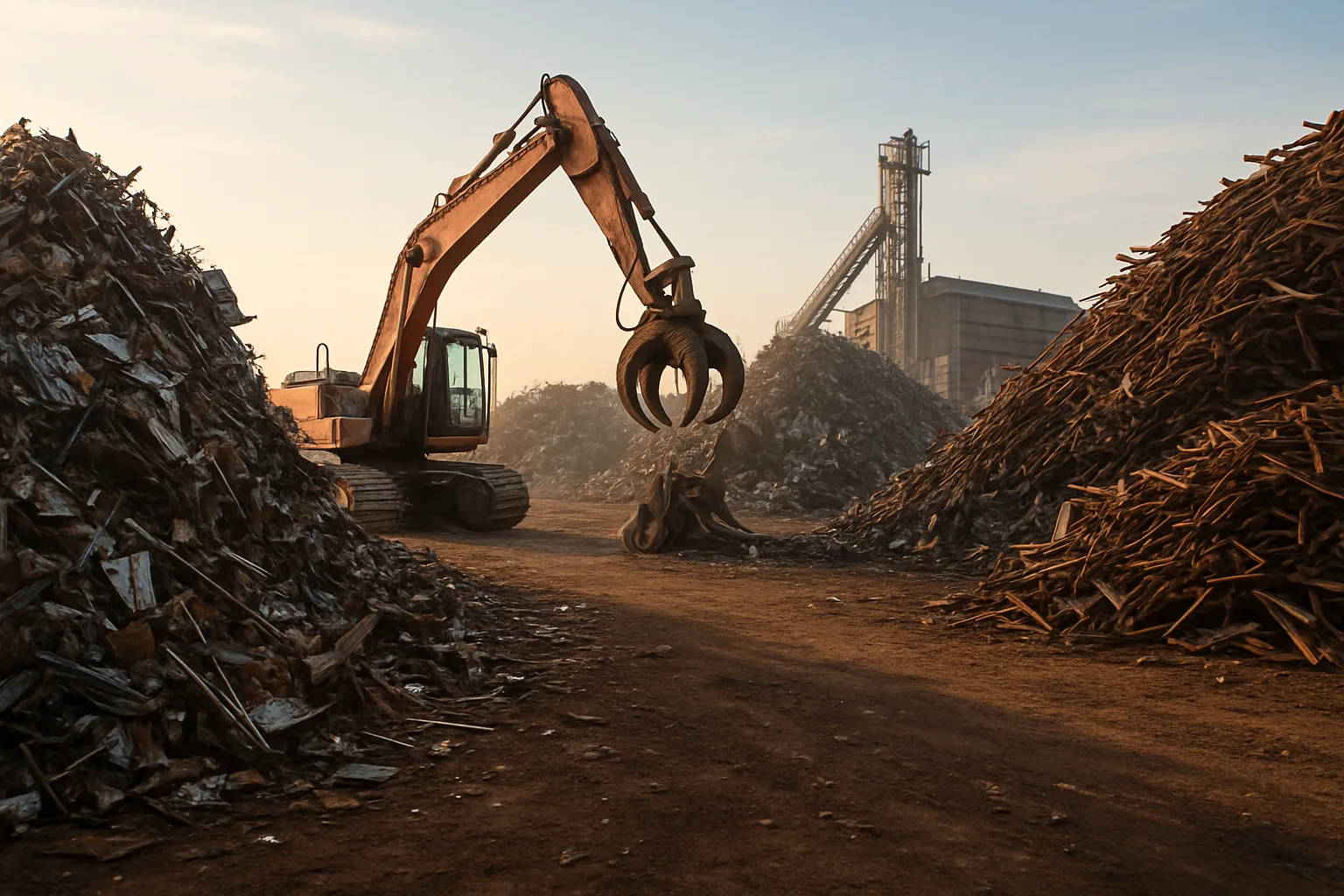
Why Sorted Scrap Metal Is Worth More — Every Single Time
Mixed loads leave money on the table. That's not an opinion — it's how scrap pricing works. When a buyer can't quickly identify what's in a load, they price for the worst-case scenario. You eat that discount. Sorting your scrap before you sell changes the equation entirely, whether you're a small yard in Rochester or a large industrial recycler operating across New York.
In a B2B scrap metal marketplace, documentation and preparation aren't optional extras — they're what separates a competitive bid from a lowball offer. Buyers pay more when they know exactly what they're buying. Uncertainty is priced in, and it always costs the seller. This guide walks you through exactly how to sort, prep, and present your scrap to get the strongest possible price discovery when it counts.
Know Your Metals Before You Move a Single Piece
The first step isn't physical — it's educational. Copper, aluminum, steel, stainless, and cast iron all behave differently on the market. Copper prices can swing dramatically based on global demand. Aluminum, particularly clean extrusions and used beverage cans (UBCs), commands a premium over mixed or painted material. Steel and iron move in larger volume but at lower per-pound values. Knowing the difference between #1 copper, #2 copper, and bare bright copper wire isn't trivia — it's money.
Before you haul anything to a buyer or list a load on a scrap metal auction platform, take time to identify every category in your inventory. A quick magnet test tells you whether something is ferrous (magnetic) or non-ferrous (not magnetic). Non-ferrous metals — copper, aluminum, brass, nickel, zinc — are generally worth more per pound. Ferrous metals — steel, iron — sell in higher volume. That distinction alone shapes how you sort, stage, and price your material.
- Copper: Bare bright, #1, #2, insulated wire — each grade has its own price tier
- Aluminum: Extrusions, cast, sheet, radiators, cans — don't mix them
- Brass: Yellow brass, red brass, mixed — separation increases value
- Stainless Steel: Grade matters — 304 vs. 316 vs. mixed stainless are priced differently
- Steel & Iron: HMS (heavy melt steel), cast iron, light iron — buyers want these separated
How to Physically Sort Scrap Metal for Maximum Value
Sorting is where the real prep work happens. Set up a staging area where you can physically separate materials by type and grade. Label your bins or containers clearly. Keep non-ferrous metals away from ferrous material — contamination drags down the grade of an entire load. If copper tubing has steel fittings attached, remove them. If insulated wire still has connectors on the ends, cut them off and sort the copper separately from the brass.
For yards operating in Rochester or anywhere else in New York, the volume of industrial and commercial scrap flowing through your doors can make sorting feel overwhelming. Build it into intake rather than treating it as an end-of-week task. When material arrives sorted from the source, you save labor and you preserve grade. Train your team to make the call at the receiving dock — not at the scale.
Here's a practical sorting sequence for a mixed commercial load:
- Run a magnet test to separate ferrous from non-ferrous immediately
- Within non-ferrous, separate copper, aluminum, brass, and stainless by container
- Strip insulated wire where the copper-to-insulation ratio justifies it
- Remove attachments — steel bolts, plastic connectors, rubber gaskets
- Within ferrous, separate heavy melt from light iron and cast iron
- Flag anything unusual — exotic alloys, transformer cores, catalytic converters — for individual assessment
Preparation Beyond Sorting: Documentation, Weight, and Presentation
Sorting is step one. Preparation is everything that comes after. In a professional B2B scrap metal marketplace, buyers expect documented inventory — not a rough description scrawled on a pickup order. When you photograph your material, log weights by grade, and provide accurate packing lists or BOLs, you give buyers the confidence to bid higher. Documented inventory reduces buyer risk. Reduced buyer risk means more competitive bids and better price discovery on your end.
Photo documentation is underrated. Take clear shots of the sorted material — show the grade, show the cleanliness, show that there's no contamination. For loads with serial numbers or VIN-tracked material, log those details. Platforms like the SMASH scrap metal auction marketplace support photo documentation, VIN lookup, and serial tracking built directly into the listing workflow. That structure doesn't just protect you legally — it gives buyers more confidence, which shows up in bid activity.
Weight accuracy matters too. Buyers who receive loads that weigh out differently than advertised don't come back. Scale your material accurately before you list it. If you're working with estimated weights, say so clearly and err on the conservative side. Your credibility as a seller compounds over time in a marketplace — protect it from the first load.
Scrap Metal Pricing in Rochester and New York: What Preparation Buys You
Metal prices fluctuate constantly. Copper, aluminum, and steel prices shift with global commodity markets, energy costs, and manufacturing demand. Anyone telling you a fixed price weeks in advance is either guessing or hedging against you. The way you protect yourself against that uncertainty isn't by timing the market — it's by presenting the cleanest, best-documented loads possible so that buyers compete for your material based on quality rather than discounting for ambiguity.
In a competitive market like New York, where recycling yards face pressure from both the industrial sellers above them and the downstream mills below, preparation is a real differentiator. Rochester-area yards dealing in mixed commercial and industrial scrap have access to significant non-ferrous volume. That material, when sorted and documented properly, is exactly what vetted buyers on a scrap metal auction platform are actively bidding for. Competition can help reveal the true market — but only if your material is presented clearly enough to attract serious bids.
To stay current on what copper prices, aluminum prices, and steel prices are doing right now, check current scrap metal prices before you finalize your pricing expectations. The market moves week to week, and walking into a negotiation with outdated price assumptions costs you.
Using a B2B Scrap Metal Marketplace to Get Competitive Bids on Prepared Loads
Here's where preparation pays off in a measurable way. When you bring a sorted, weighed, documented load to a single buyer and accept whatever they offer, you have no idea whether that price reflects the market. Maybe it does. Maybe it doesn't. You can't know without competition. That's the problem with the old way — one call, one offer, one outcome, and you're left guessing.
A B2B scrap metal marketplace like SMASH flips that dynamic. Your prepared load goes in front of multiple vetted buyers simultaneously. They compete. You see what the market actually pays for your material — not what a single buyer decides to offer on a given day. The preparation you put into sorting and documentation directly influences how aggressively buyers bid. More confidence in the load means more active bidding. More bidding means better price discovery.
SMASH charges no subscription fees. The platform only wins when you do. Auto-invoicing, photo documentation tools, and a vetted buyer network make the listing process straightforward — even for yards that haven't sold through an online platform before. If you're in Rochester or anywhere across New York and you're still calling one contact every time you have a load to move, it's worth seeing what competitive bidding looks like on your material. Find the best scrap metal prices today and understand what your sorted, prepped material could actually be worth on the open market.
For broader market context and preparation guides, read scrap metal pricing guides covering everything from non-ferrous grading to understanding how commodity markets affect your yard's bottom line.
The Weekly Habit That Protects Your Margins All Year
Scrap prep isn't a one-time project. The yards that consistently get the best prices build sorting and documentation into their weekly workflow. At the end of each week, review your inventory by grade. Photograph anything you're planning to move in the next seven to fourteen days. Update your weights. Check current metal prices so you're not listing based on numbers from two weeks ago.
This week, with markets active heading into Q3 2026, is a good moment to look at what's sitting in your yard unprocessed. Mixed loads that have been waiting aren't earning you anything — and markets don't wait. Sorted, documented material listed through a platform with real buyer competition puts you in a fundamentally stronger position than calling around and hoping for a fair number. That's not pessimism about the old way — it's just arithmetic.
The best scrap metal prices aren't found. They're created — through preparation, documentation, and competition. If you want to see what your material is actually worth this week, get the best scrap metal prices — check rates at best-scrap-metal-prices.com and bring prepared loads to buyers who are ready to compete for them.
Frequently Asked Questions
Q: Does sorting scrap metal really make a significant price difference?
Yes — consistently. Buyers price mixed or contaminated loads conservatively because they're accounting for sorting labor and uncertainty on their end. Clean, sorted, single-grade material commands a higher price per pound because it reduces risk for the buyer. That difference adds up quickly on any meaningful volume of non-ferrous material like copper or aluminum.
Q: What scrap metals are worth the most to sort separately in Rochester, New York?
Copper grades — bare bright, #1, and #2 — benefit most from separation because the price gap between grades is significant. Aluminum extrusions versus mixed or painted aluminum is another high-value sort. Stainless steel separated by grade (304 vs. mixed) also earns a meaningful premium. In the Rochester market and across New York, non-ferrous separation is where most yards leave money on the table.
Q: What is a B2B scrap metal marketplace and how does it help sellers?
A B2B scrap metal marketplace connects industrial and commercial scrap sellers with vetted buyers through a competitive bidding process — rather than a single negotiated offer. Platforms like SMASH allow sellers to list documented loads and receive bids from multiple qualified buyers. More buyers means better price discovery. It's a structural improvement over the one-call, one-offer model most yards default to.
Q: How do I know if my scrap metal prices are competitive right now?
Commodity prices for copper, aluminum, and steel fluctuate weekly based on global market conditions, energy costs, and demand from downstream mills. The best way to benchmark your prices is to check current market rates regularly and, where possible, expose your loads to competitive bidding rather than accepting a single offer. Never negotiate based on prices from more than a week ago.
Q: What documentation should I prepare before listing scrap metal on an auction platform?
At minimum: accurate weights by grade, clear photographs showing material condition and cleanliness, and a packing list or bill of lading if the load is being shipped. For specialty material — catalytic converters, transformer cores, or VIN-tracked automotive parts — serial numbers and additional documentation protect both parties. Platforms like SMASH have built-in tools for photo documentation, VIN lookup, and serial tracking to streamline this process.
Disclaimer: Scrap metal prices fluctuate daily based on commodity markets, regional demand, and material grade. All pricing references in this article are general in nature. Always verify current rates before finalizing any transaction.
Follow SMASH on LinkedIn for weekly scrap metal market updates, pricing trends, and industry insights delivered directly to your feed.
```