Steel vs. Iron Scrap: Why the Price Gap Matters More Than You Think
Most scrap sellers have made this mistake at least once — hauling in a mixed load and letting the yard sort it out. That's money left on the table. Knowing the difference between steel and iron scrap, and understanding why they price differently, can meaningfully change what you walk away with. If you're running a yard, a salvage operation, or moving volume through a B2B scrap metal marketplace, this distinction isn't trivia. It's margin.
In markets like Grand Forks, North Dakota — where agricultural equipment, construction demolition, and legacy infrastructure all feed the local scrap supply — loads are often a mix of cast iron, structural steel, and light iron. Buyers price them very differently. Let's break down why.
Steel and Iron Are Not the Same Material — Or the Same Price
People use "steel" and "iron" interchangeably in conversation. In the scrap yard, that confusion is costly. Iron and steel are related alloys, but their carbon content, density, and end-market demand push them into separate pricing tiers.
Cast iron — think engine blocks, pipe fittings, radiators, and old woodstoves — has a high carbon content (typically 2–4%). It's brittle, heavy, and melts at a higher temperature. Foundries use it to make new cast products. It moves on its own pricing track, separate from steel.
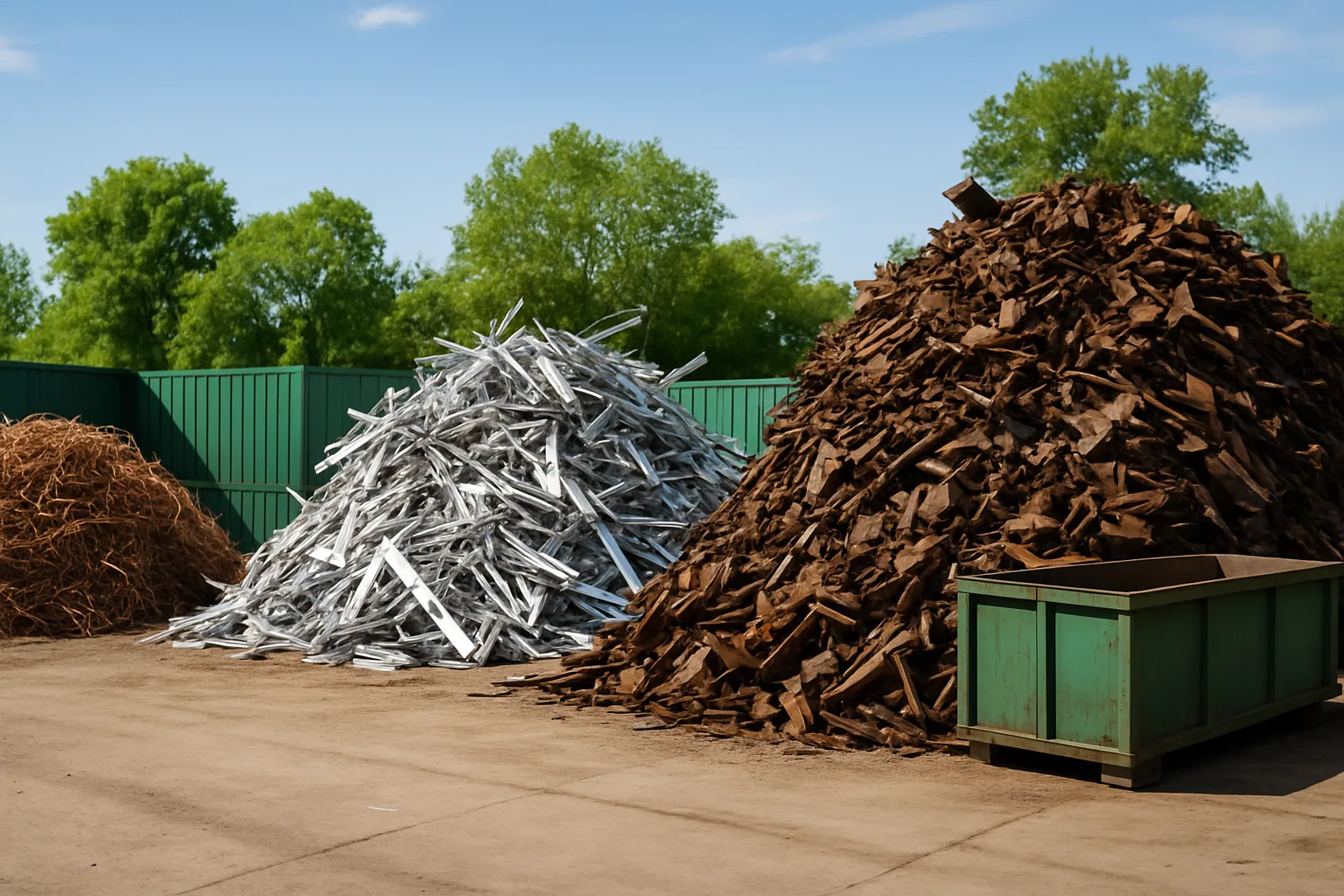
Steel comes in many grades: structural steel (beams, rebar, angle iron), heavy melting steel (HMS 1 and HMS 2), sheet metal, and more. Lower carbon content makes it more flexible and weldable. Electric arc furnaces consume enormous volumes of steel scrap. That demand is what drives price — and steel demand can swing fast based on construction cycles, manufacturing output, and global trade conditions.
- Cast iron: Heavy, dense, higher carbon, foundry-grade demand
- HMS 1 (Heavy Melting Steel 1): Clean, thick steel — typically the highest-priced category in the steel family
- HMS 2: Thinner gauge, may include light structural — prices below HMS 1
- Light iron / shreddable steel: Sheet metal, appliances, auto bodies — lower pricing, often shredder-bound
- Stainless steel: Priced separately, heavily influenced by nickel content
The practical takeaway: don't let your cast iron get lumped into a steel load. If a buyer can't distinguish — or won't — you're likely getting the lower rate on everything. A real find the best price for your scrap on SMASH auction environment forces buyers to bid on what's actually in the load, which starts with accurate material documentation.
How Pricing Works in the Real World — and Where Sellers Lose
The old way: you call your buyer, they give you a number, you take it or sit on the load. You have no idea if that number reflects the actual market or just what the buyer feels like paying today. This is especially common in regional markets where competition is thin.
In North Dakota, the scrap supply chain has historically been dominated by a small number of regional yards and dealers. That's not a criticism — it's geography. But geography shouldn't mean you're cut off from real price discovery. A B2B scrap metal marketplace connects your load to vetted buyers across a wider network, and competition among those buyers is what surfaces actual market value.
Here's where sellers specifically lose money on steel vs. iron:
- Mixed loads priced at the lowest common denominator. If your cast iron and HMS 1 go in the same pile, expect to be paid on the HMS 2 rate — or worse.
- No documentation. Buyers discount uncertainty. If they can't verify what grade of steel they're buying, they price in risk. Photos, weights, and accurate material descriptions eliminate that risk — and can improve buyer confidence.
- No competition. One buyer, one offer. No benchmark. No leverage. That's not a market — that's a guess.
Platforms like SMASH address all three. You document the load properly (iron separated from steel, grades noted, photos uploaded), it goes to vetted buyers, and they compete. More buyers means better price discovery. That's how it works — not theory, just mechanics.
Sorting Your Load: A Practical Guide for Grand Forks Sellers
If you're pulling material in Grand Forks or anywhere in the Red River Valley, you're likely dealing with a combination of agricultural iron, structural steel from older buildings, auto bodies, and miscellaneous light iron. Here's how to think about sorting before your load goes anywhere.
The goal isn't perfection — it's separation. Buyers don't need a metallurgy lab report. They need to know what category the material falls into so they can price it accurately and confidently.
- Pull the cast iron first. Engine blocks, brake rotors, heavy pipe, old cookware, radiators. These are dense, grey when cut, and brittle. Separate them from your steel pile.
- Identify your HMS 1 material. Thick plate, heavy structural steel, I-beams over ¼-inch wall. This is your premium steel category. Keep it clean — no attachments, no wood, no excessive rust that would knock it to HMS 2.
- Separate the light stuff. Thin sheet metal, auto bodies, appliances. These shred — they don't melt clean. They price lower, and that's fine, but they shouldn't drag down your heavy steel rate.
- Flag anything that might be stainless or alloy. Use a magnet. Stainless is weakly magnetic or non-magnetic. Alloy steels need more testing. Don't guess — document the uncertainty and let buyers sort it in their bids.
For Grand Forks sellers specifically, accessing Grand Forks scrap metal services through a platform that documents and auctions your load means buyers see the material clearly — not a description written on a Post-it note over the phone.
Want to understand how your region compares? Read scrap metal pricing guides that break down regional market trends and material-specific pricing factors.
What Drives the Steel-Iron Price Gap in 2026
Prices fluctuate — always have, always will. But understanding why steel and iron price differently helps you time your sales and set realistic expectations.
Steel scrap pricing in 2026 is heavily influenced by electric arc furnace demand from domestic mills. When construction is active and manufacturing is running, mills buy aggressively. When housing starts drop or auto production slows, they pull back. The gap between HMS 1 and HMS 2 can narrow or widen depending on mill inventory and feedstock needs. That's why a static price list from your local yard tells you almost nothing about what the market actually wants today.
Cast iron pricing follows foundry demand — a different buyer segment entirely. Foundries making pipe, automotive castings, and industrial parts need cast iron feedstock. When foundry output is strong, cast iron prices firm up. When it's soft, cast iron can lag significantly behind HMS 1.
Non-ferrous metals like copper and aluminum operate on entirely separate exchanges and driver sets (LME, COMEX), but it's worth noting: in any given load, the non-ferrous content can dwarf the ferrous revenue. A handful of copper wire or aluminum castings sorted out of a ferrous load often outvalues the steel by weight ratio. Don't ignore it.
To check current scrap metal prices and understand where the market is today, use a resource that pulls real data — not last quarter's numbers dressed up as current.
Why a B2B Scrap Metal Marketplace Changes the Equation for Recyclers
Here's the core problem with the single-buyer model: you have no idea if you're getting a fair price. That's not paranoia — it's just the reality of an opaque market. Your buyer knows more than you. They know what mills are paying. They know what they can flip the load for. You know what they tell you.
A B2B scrap metal marketplace like SMASH restructures that dynamic. Your documented load goes to multiple vetted buyers. They compete. You see what competition looks like. That transparency doesn't guarantee the highest possible number on every load — nothing does. But it gives you real market signal instead of a single opinion presented as fact.
For operations in scrap metal recycling North Dakota markets — where buyer density is naturally lower than in major metro corridors — this matters more, not less. Thin local markets need wider buyer networks to function efficiently. That's exactly what an auction platform provides.
SMASH handles the documentation, the buyer vetting, the auction format, and the auto-invoicing. You don't need a subscription to use it. There are no monthly fees. SMASH wins when you sell — that's the model.
If you're ready to find the best scrap metal prices today, start by knowing what you have. Sort your steel from your iron. Document it. Then let real buyers compete for it.
Frequently Asked Questions
Q: What is the price difference between cast iron and steel scrap?
The gap varies by market conditions and regional buyer demand, but cast iron and steel scrap are priced separately because they serve different end markets — foundries versus steel mills. Generally, HMS 1 steel commands a premium over cast iron, though the spread changes based on mill and foundry activity. Always check current rates rather than relying on static price lists.
Q: How do I sell scrap metal in Grand Forks, North Dakota?
You can work with local yards directly or use a B2B scrap metal marketplace like SMASH to access a wider network of vetted buyers. Documenting your material accurately — separating steel grades, identifying cast iron, noting weights — helps buyers price with confidence and improves your outcome. Start by checking what Grand Forks scrap metal services are available through platforms that bring competitive bidding to your region.
Q: Does sorting my scrap before selling actually make a difference?
Yes — significantly. Mixed, unsorted loads are typically priced at the lowest material grade in the pile. Separating cast iron, HMS 1, HMS 2, and light iron can mean meaningfully different pricing on each category. The effort to sort is usually worth it, especially on larger loads.
Q: What is a B2B scrap metal marketplace and how does it work?
A B2B scrap metal marketplace connects sellers (yards, recyclers, industrial operations) with multiple vetted buyers in an auction format. Instead of calling one buyer and accepting their offer, your documented load goes to competing buyers who bid. SMASH is a North American platform that operates this way — no subscription, no upfront cost, and the auction format drives price discovery through competition.
Q: How often do steel and iron scrap prices change?
Ferrous scrap prices can shift monthly — sometimes weekly — based on mill buying cycles, export demand, energy costs, and construction activity. Relying on a price someone quoted you three weeks ago is a common mistake. Use a current pricing resource and, where possible, move material during active buying cycles rather than sitting on loads during slow mill periods.
Prices shift constantly in this market. Always verify current rates before you commit to a sale — what was true last month may not reflect what buyers are paying today. For the most current data, check rates at best-scrap-metal-prices.com and make sure your next load gets priced on what the market is actually doing right now, not what someone told you over the phone.
Stay sharp on market movements — follow SMASH on LinkedIn for ongoing scrap metal market insights and industry updates.
```