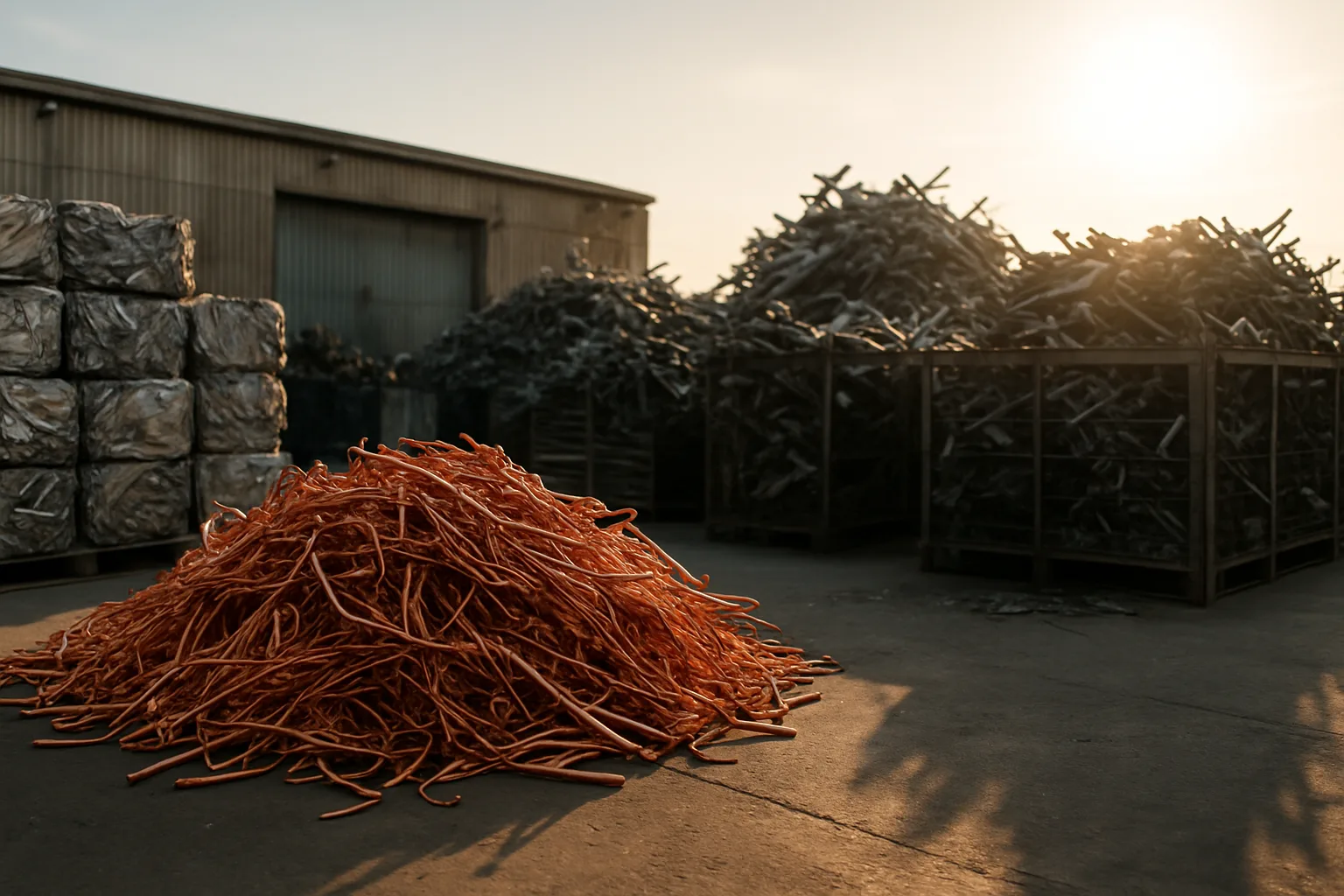
Construction Debris or Hidden Payday? What Demo Sites Are Really Throwing Away
Most people walking past a demolition site see dust, noise, and a dumpster. Experienced scrap sellers see something different — copper wiring, aluminum framing, structural steel, and cast iron fixtures that add up fast. Construction and demolition (C&D) sites are among the richest sources of recyclable metal in North America, and most of the material ends up undervalued because sellers don't know what they're holding. If you're trying to nail down the copper scrap price today and figure out whether your demo haul is worth your time, this breakdown is for you.
The Las Vegas metro area has been in a near-constant state of construction and renovation for years. Casino corridors get gutted. Strip-adjacent hotels get remodeled. Residential sprawl keeps pushing into the Nevada desert. Every one of those projects generates scrap — and a lot of it moves without the seller ever getting a competitive price. That's a problem platforms like SMASH help solve by connecting sellers to compare scrap metal bids from verified buyers instead of defaulting to a single yard with a single number.
Let's break down exactly what C&D sites produce, how to sort it, and how to make sure you're not leaving money on the table.
What Metals Come Off a Typical Construction or Demolition Job?
The metal mix on a C&D site depends heavily on the structure's age, its original use, and what stage of demo you're at. A 1970s commercial building stripped down to the studs will look very different from a brand-new residential framing job. But most sites will yield some combination of the following:
- Copper wire and pipe — The highest-value material on most demo sites. Electrical wiring, plumbing lines, and HVAC copper tubing can add up to significant weight depending on the building size.
- Aluminum — Window frames, conduit, flashing, roofing panels, and ductwork. Aluminum is lighter than copper but still pulls solid per-pound pricing.
- Steel and iron — Rebar, I-beams, structural components, and cast iron piping. Lower price per pound but much higher volume and weight.
- Stainless steel — Commercial kitchens, food service counters, and industrial applications. Better pricing than standard steel and worth sorting separately.
- Brass — Valve bodies, fittings, plumbing fixtures. Dense and valuable. Don't let it end up in the ferrous pile by accident.
- Lead — Older buildings may have lead pipe, lead flashing, or lead-acid batteries from backup systems. Handle properly and check your yard's acceptance policy.
The difference between a good payout and a great one comes down to sorting. Mixed loads get priced at the lowest common denominator. Sorted loads — copper separated from aluminum, stainless pulled from ferrous — get priced by category. That's not a small difference. It can be the difference between a fair price and a frustrating one. If you want to find the best scrap metal prices today, sorting is step one before you ever call a yard.
Copper From Demo Sites: Grades, Condition, and the Copper Scrap Price Today
Copper is the metal that gets the most attention on a demo job — and for good reason. The spread between grades is real, and it matters how you present your material. Buyers pay more for clean, sorted copper. They discount for insulation, solder, contamination, or mixed grades thrown together.
Here's how copper typically grades out from C&D material:
- #1 Copper (Bare Bright) — Clean, uncoated, unalloyed copper wire or tubing. No solder. No fittings. This is your top dollar material.
- #2 Copper — Slightly oxidized, soldered, or with minimal contamination. Still good money, just a step down from bare bright.
- Insulated Wire — Copper still inside the jacket. Price varies based on the copper percentage inside. Romex, THHN, and building wire all pay differently.
- Copper Pipe with Fittings — Usually grades as #2 or lower unless fittings are removed.
Knowing the copper scrap price today in your specific market is critical before you load a truck. Copper moves with commodity markets and can shift week to week. Prices you heard about last month may not reflect what yards are paying right now. Always check current scrap metal prices before you commit to a sale. Selling blind to the first buyer who answers the phone is the old way — and it costs sellers real money.
In markets like Las Vegas, where commercial renovation and hospitality demo work runs year-round, copper supply from C&D sites stays fairly consistent. That makes having a reliable buyer relationship — or better yet, multiple competing buyers — even more important. Competition is what reveals the actual market. A single yard quoting you off the top of their head is not the market. It's one data point.
How to Sell Scrap Copper From a C&D Site Without Getting Burned
Knowing how to sell scrap copper from a demo job isn't just about finding a yard. It's about documentation, presentation, and leverage. Here's the process that protects your payout:
Document Everything Before It Leaves the Site
Photo documentation matters more than most sellers realize. When you have photos of sorted material — wire coiled and labeled, pipe bundled by grade, weight tickets — buyers have more confidence in what they're bidding on. Documented inventory gets better offers than mystery loads. Platforms like SMASH build this into the process, with photo uploads, serial tracking where applicable, and packing list documentation that follows the load through the sale.
Know Your Weights Before You Make a Call
Guessing weights loses you money. Either weigh your loads on a certified scale before approaching buyers, or be upfront about estimated weights and let the final ticket govern the transaction. Either way, don't walk into a negotiation with nothing but a "bunch of copper wire" and a vague description.
Get Multiple Bids
This is the part most sellers skip. One call, one price, done — it's fast, but it's not smart. More buyers means better price discovery. An auction format, or even a simple multi-buyer quote process, puts the market to work for you instead of against you. If you're moving volume from a larger C&D job, the difference between one bid and four bids can be significant.
Understand the Pickup or Drop-Off Logistics
C&D metal is often heavy, bulky, and awkward to move. Factor in your haul costs before agreeing to a price. A slightly higher per-pound offer from a buyer who handles pickup can outperform a higher nominal price where you're renting a flatbed. Work the full math, not just the spot price.
For sellers in Nevada managing larger loads from commercial demo projects, Las Vegas scrap metal services through SMASH can help you reach buyers who are actively looking for volume material — not just walk-up sellers.
Weekly Market Recap: What's Moving the Copper and Scrap Markets Right Now
As of the week ending July 26, 2026, the broader scrap metal market continues to reflect mixed signals from construction activity, global copper supply, and ongoing demand from manufacturing and infrastructure sectors. Steel pricing has been relatively stable as domestic mill demand holds steady heading into late summer. Aluminum remains active with consistent demand from automotive and packaging sectors. Copper continues to be the most price-sensitive category — any news from major mining regions or shifts in electrical infrastructure spending tends to move the market quickly.
C&D-sourced material specifically has been seeing solid interest from buyers as large-scale commercial renovation projects and infrastructure upgrades generate consistent supply. If you're sitting on a load from a recent demo job, the market isn't hostile — but it rewards sellers who come in prepared with sorted, documented material rather than mixed loads that force buyers to discount aggressively.
Disclaimer: Metal prices fluctuate daily based on commodity markets, regional demand, and buyer conditions. Always verify current rates before selling. The pricing environment described here reflects general market conditions as of publication — not guaranteed buy prices.
To stay current on market trends beyond this weekly recap, read scrap metal pricing guides that break down commodity movements and what they mean for sellers at the yard level.
Why Competitive Bidding Matters More for C&D Sellers Than Anyone Else
If you're running a one-off load from a personal renovation, a single yard quote might be fine. But if you're a contractor, demo crew, or recycling operation handling regular C&D volume, leaving pricing to chance is a real cost — not a hypothetical one.
The old model: call your regular yard, take their number, load the truck, cash the ticket. It's comfortable. It's also a ceiling on your revenue. You don't know if that yard is paying at market, below market, or exploiting the fact that you don't have another option lined up.
SMASH breaks that pattern. Instead of one buyer with one number, you get vetted buyers who compete for your load. The auction format does the price discovery work that used to require you to spend half a day on the phone. And because SMASH only takes a fee when a deal closes — no subscription, no upfront cost — there's no barrier to trying it on your next load.
For operations across Nevada and throughout the broader Southwest, having access to a buyer network instead of a single contact point changes the math on every load you move.
Frequently Asked Questions
Q: What is the copper scrap price today in Las Vegas?
Copper prices vary daily based on commodity markets, local demand, and the grade of material you're selling. Bare bright copper commands the highest prices, while insulated wire pays significantly less depending on copper content. Always check current rates before heading to the yard — prices from last week may not reflect today's market.
Q: What metals are most valuable on a construction or demolition site?
Copper consistently delivers the highest value per pound, followed by brass, aluminum, and stainless steel. Structural steel and rebar pay less per pound but can add up fast in volume. Sorting your material by grade before selling is the single most effective way to improve your payout.
Q: How do I find scrap metal buyers near me in Las Vegas or Nevada?
You can search local yards, but comparing a single quote to the actual market is difficult. Platforms that connect sellers to multiple vetted buyers — like SMASH — give you a clearer picture of what your load is actually worth in your region. Don't sell to the first number you hear.
Q: Do I need documentation to sell scrap copper from a demo job?
Most yards require a valid ID and, depending on state law and the quantity involved, may require a bill of sale or proof of where the material came from. Nevada has regulations around scrap metal transactions to prevent theft — know your paperwork before you show up. Photo documentation of your sorted material also helps you get better, more confident bids from buyers.
Q: Is it worth stripping insulation off copper wire before selling?
It depends on the copper percentage inside and what your time is worth. High-copper-content wire like THHN may be worth stripping if you can do it efficiently. Low-percentage wire often isn't worth the labor. Check the spread between insulated wire and bare bright prices at your target yard — that difference tells you whether stripping pencils out for your specific material.
If you're sitting on C&D scrap and want to stop guessing what it's worth, the answer is better data and more buyers. Head to best-scrap-metal-prices.com to get the current market picture — and if you're ready to put your load in front of competing buyers, SMASH is where that happens. No subscriptions. No games. Just competition that works in your favor.
Follow SMASH on LinkedIn for weekly market updates, scrap pricing insights, and industry news that helps you sell smarter.
```